How to Create Your Wedding Budget
The wedding budget conversation is one most couples dread, but it doesn’t have to be. Getting clear on your numbers early is one of the single most useful things you can do for your planning process. It narrows your venue options, shapes your guest list, and helps you make decisions faster because you already know what you’re working with.
Here’s how to build a wedding budget that actually works.
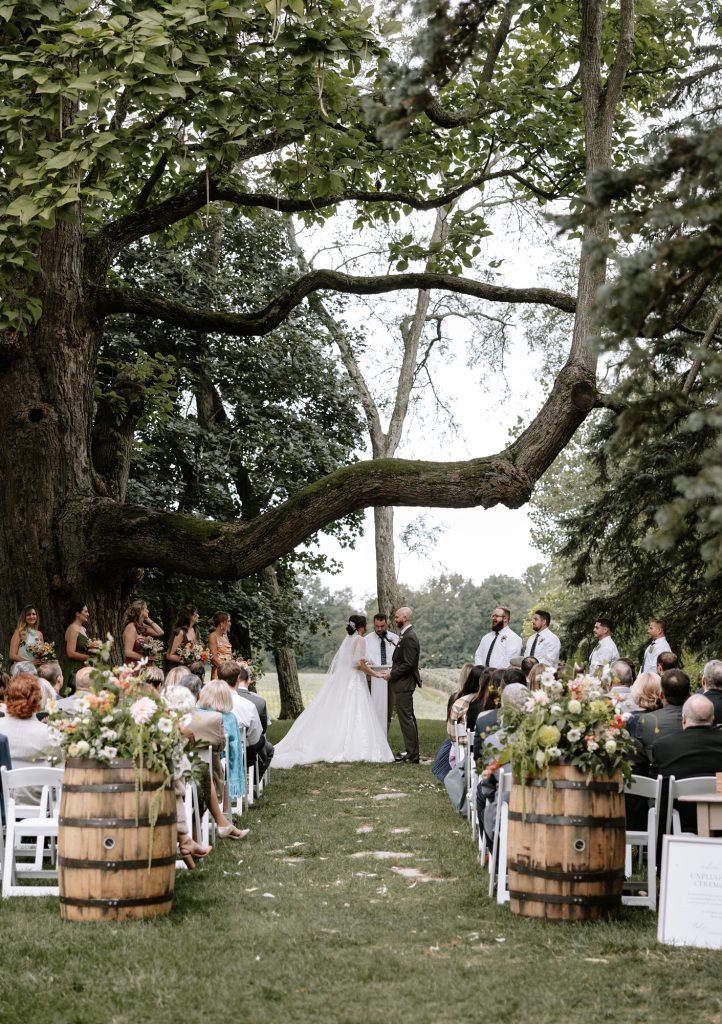
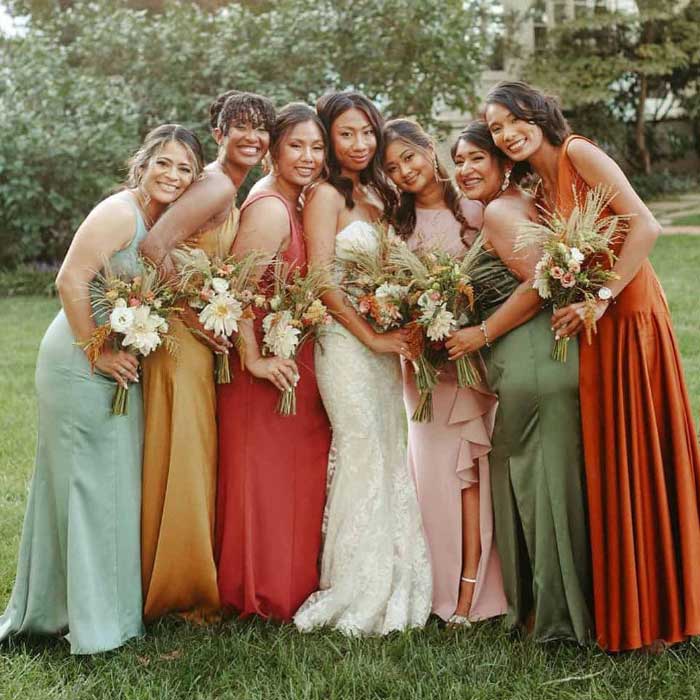
Photo by Hallie Hulst Photography
Start With the Total Number
Before you break anything down into categories, you need to know how much money you actually have to spend. This sounds obvious, but a lot of couples skip this step and jump straight to Pinterest before they’ve had the money conversation. If a parent or relative is offering money, have a direct conversation about what that comes with before you count it. Sometimes contributions come with guest list requests, venue preferences, or expectations about decision-making. It’s better to know that upfront than to be surprised mid-planning.
Sit down together and answer a few questions:
- How much do you have saved right now that you’re comfortable putting toward the wedding?
- How much can you realistically save between now and your wedding date?
- Are any family members contributing, and if so, how much and with what expectations attached?
Add those numbers together. That total is your budget ceiling, not a starting point to negotiate upward from.
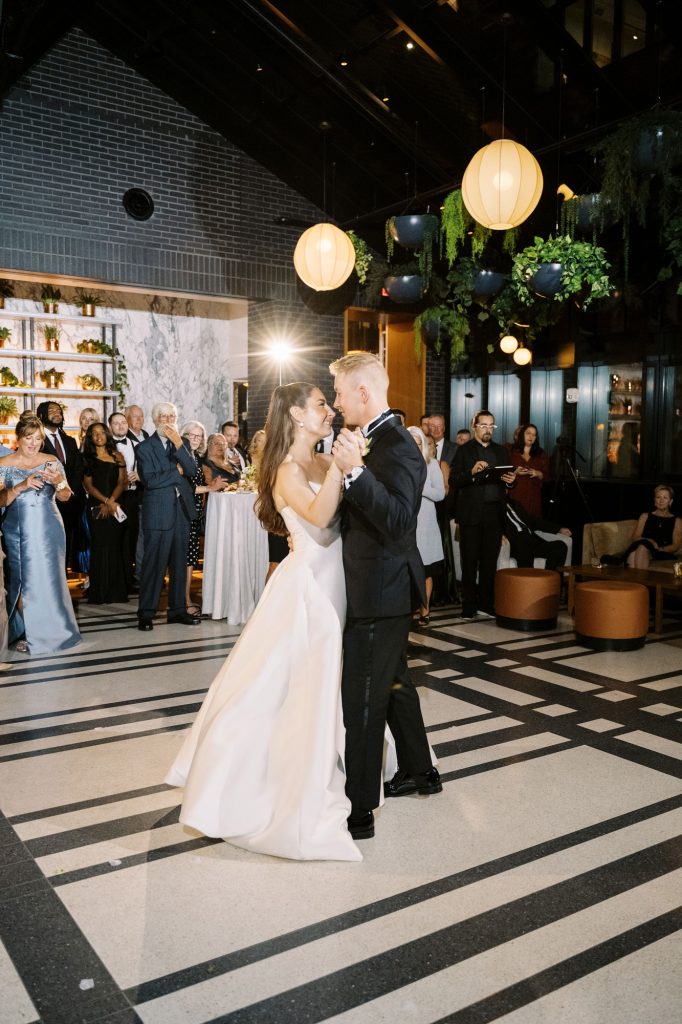
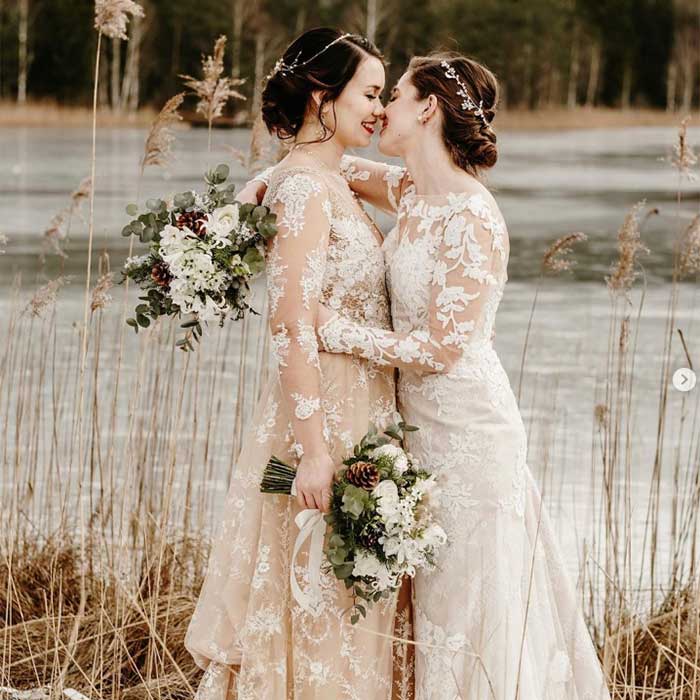
Photo by Samantha Leigh Studios
Know the Average, but Plan for Your Reality
National wedding cost averages can feel both reassuring and alarming depending on where you land. The average U.S. wedding costs somewhere in the range of $30,000 to $35,000, but that number means very little without context. A wedding in downtown Chicago costs very differently than one at a family farm in northern Michigan. A guest list of 200 and a guest list of 50 are completely different budgets even if the vibe is the same.
What matters is what weddings cost in your area, for your guest count, at the kind of venues and with the kind of vendors you’re drawn to. Do some early research. Look at venues in your target area and get a sense of their pricing. Talk to a local photographer or caterer. Get real numbers from real vendors so your budget reflects the actual market you’re planning in.
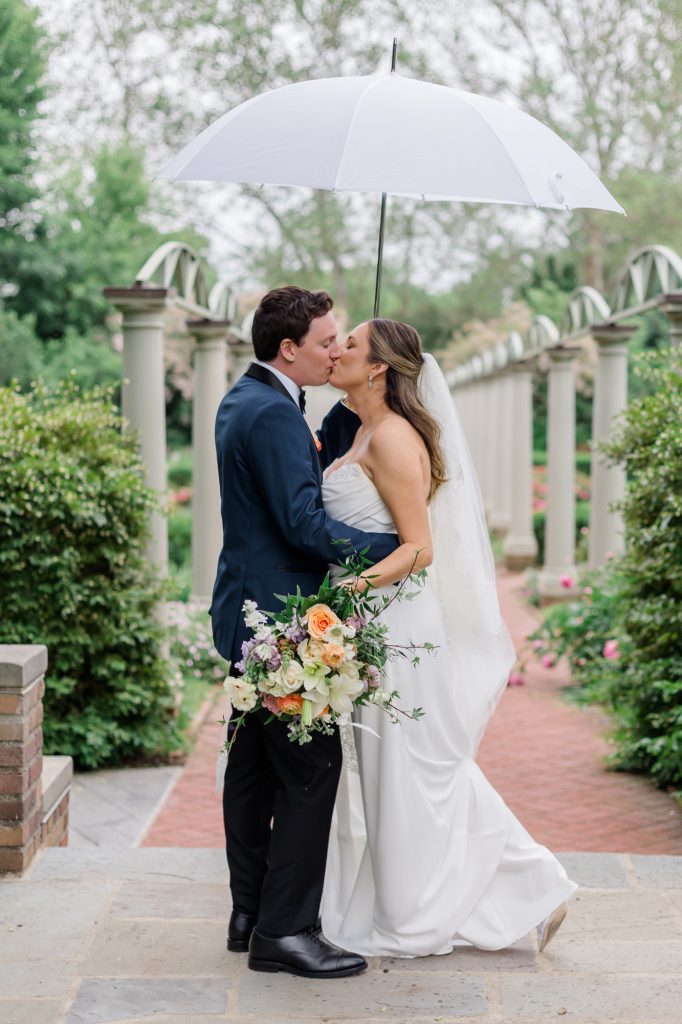
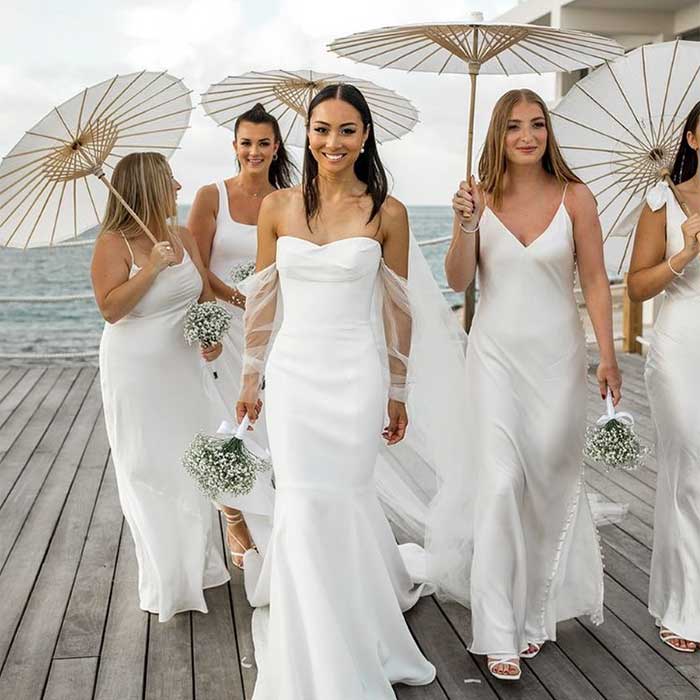
Photo by Weddings by Cheyenne
Divide the Budget Into Categories
Once you have your total, divide it into the major categories that make up most weddings. Some couples find it helpful to follow a structured framework like the 50/30/20 rule for weddings to guide how they split spending across categories. Here’s a general breakdown of how couples typically allocate their budgets:
Venue: 25 to 30 percent This is usually the largest single line item and includes ceremony and reception space rental. Some venues bundle catering into the cost, others don’t. Make sure you know what you’re comparing when you look at venue pricing. If you’re weighing the convenience of a bundled experience, it’s worth reading up on all-inclusive wedding packages vs. booking by vendor before you commit.
Catering and Bar: 25 to 35 percent Food and drink tend to be the second biggest expense and one of the most noticeable to guests. Per-person costs vary widely depending on whether you’re doing a plated dinner, buffet, or family-style service, and whether you have a full open bar, beer and wine only, or a limited selection.
Photography and Videography: 10 to 12 percent Photography is one of the areas where most couples say they wish they had spent more or are glad they didn’t cut corners. These are the lasting artifacts of your day. Videography is often an add-on consideration, so if it matters to you, budget for it separately.
Music and Entertainment: 5 to 8 percent This covers your DJ or live band for the reception, as well as any ceremony musicians. Live bands typically cost significantly more than DJs. If music and atmosphere are important to you, weight this category accordingly.
Florals and Decor: 8 to 10 percent Floral costs can surprise couples who haven’t priced them before. Bridal bouquets, bridesmaid bouquets, boutonnieres, ceremony arrangements, and reception centerpieces add up quickly. If you want lush, full florals, plan for this to be on the higher end. If you’re open to greens-heavy arrangements or dried florals, costs can come down. Decor is also one of the best categories to offset with DIY projects. If you have the time and inclination, check out these easy DIY projects to save money on your wedding for ideas that look beautiful without a big price tag.
Attire and Beauty: 5 to 8 percent This includes the wedding dress and alterations, the groom’s attire, hair and makeup for the wedding day, and any accessories. Don’t forget to include alterations in your dress budget, as they’re rarely included in the dress price.
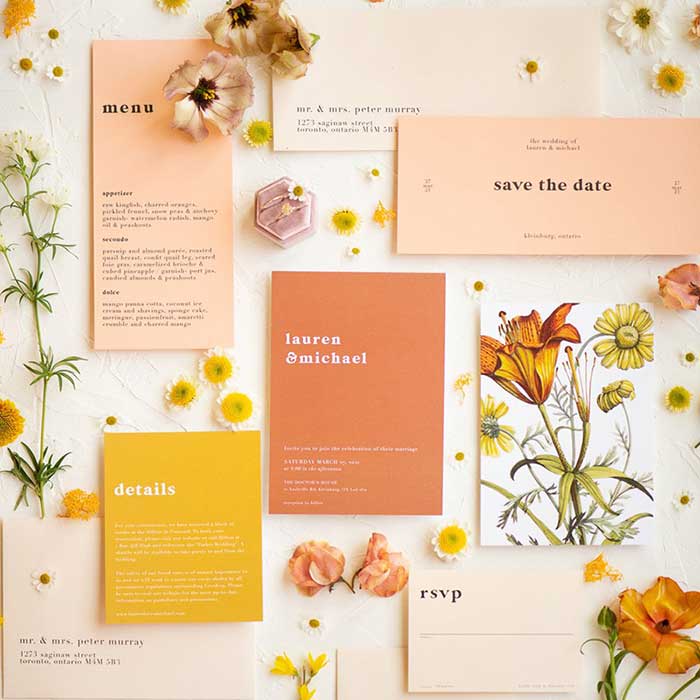
Stationery: 1 to 2 percent Save the dates, invitations, envelopes, postage, day-of programs, menus, and signage all fall here. Digital save the dates can cut this category down significantly if budget is tight.
Officiant: 1 percent Whether you hire a professional officiant or have a friend get ordained, there’s typically a fee involved. If you’re marrying in a church, factor in the church fees separately.
Wedding Rings: 2 to 3 percent Some couples include rings in the wedding budget, others handle them separately. Decide early so they’re accounted for.
Transportation: 1 to 2 percent This includes getting you and your wedding party between locations during the day. A shuttle for guests from a hotel to the venue is also worth factoring in if your venue requires it.
Rehearsal Dinner: 2 to 3 percent Traditionally paid for by the groom’s family, though this is less of a rule than it used to be. If you’re covering it, include it in your planning budget.
Miscellaneous and Tips: 5 to 8 percent This category saves more weddings than people realize. Vendor tips, last-minute rentals, day-of emergencies, marriage license fees, and things you simply forgot to plan for all live here. Build this in from the beginning rather than scrambling at the end.
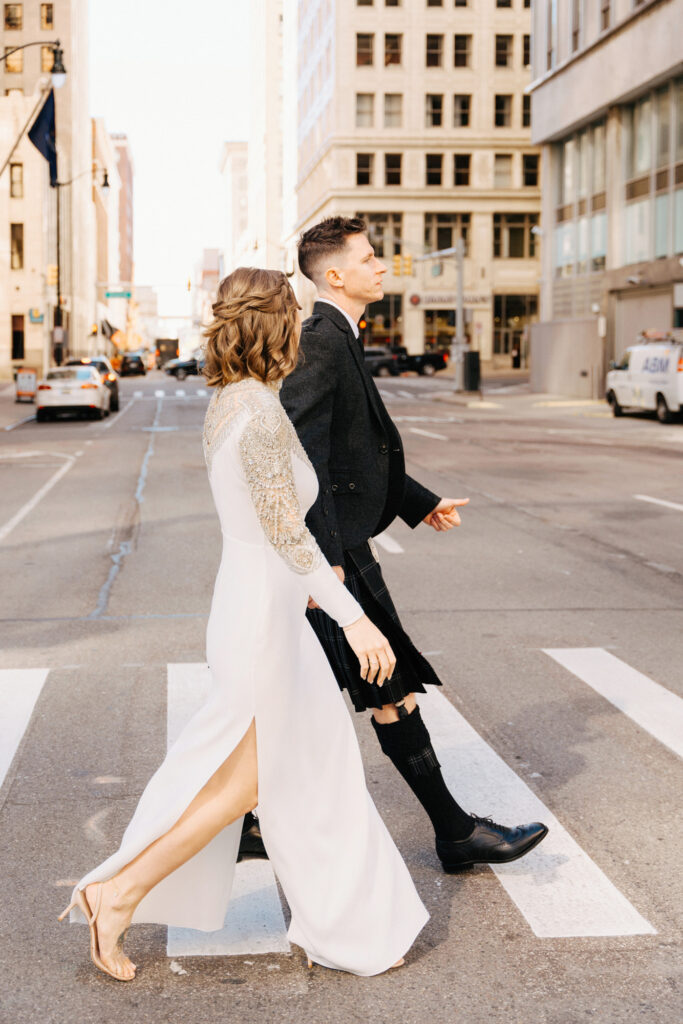
Photo by Heather Jowett Photography
Decide What Matters Most
No couple values every wedding category equally, and that’s a good thing. Your priorities should drive where your money goes. If incredible food and a full open bar are non-negotiable, weight catering more heavily and look for ways to simplify florals. If photography is the most important thing to you and you want to invest in someone whose work you love, cut somewhere else to make it work. If a live band is the experience you’re dreaming of for the dance floor, build the entertainment budget first and let other categories flex around it. Sit down together and rank the categories that matter most to you both. Then protect those budget lines and look for savings in the ones lower on your list.
Build in a Buffer
No matter how carefully you plan, something will cost more than expected. A vendor’s pricing went up. You fell in love with a dress that’s slightly out of range. You added a few more guests than you planned. Life happens.
Set aside at least 5 to 10 percent of your total budget as a buffer before you start committing to vendors. This isn’t the same as the miscellaneous category, it’s a true emergency reserve that you don’t touch unless you have to. If you get to the end of planning without needing it, great. You have extra money for your honeymoon.
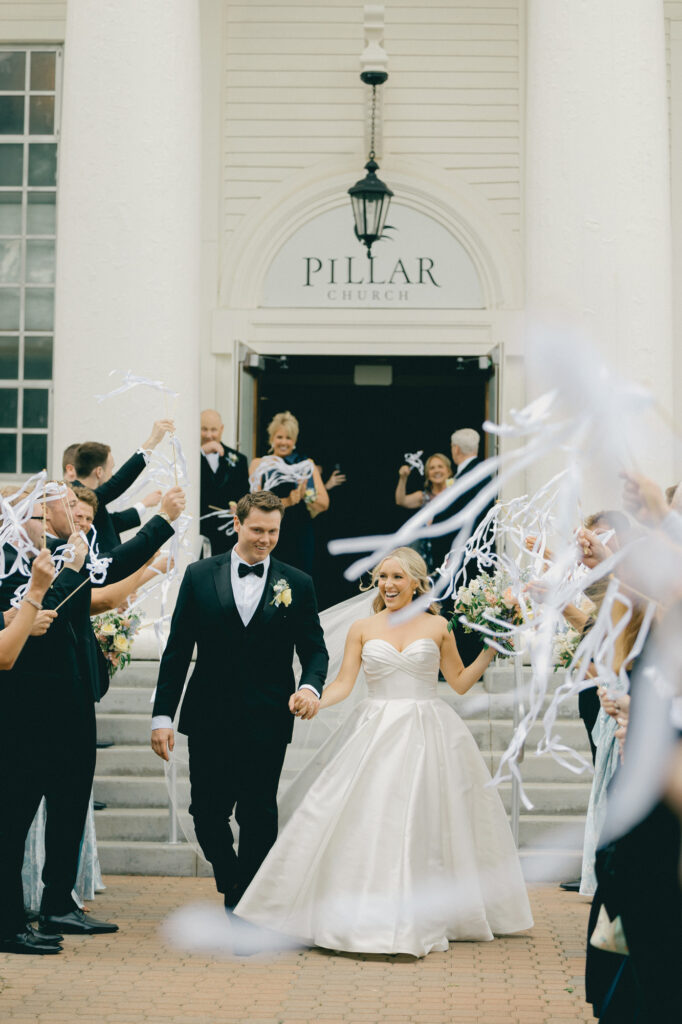
Photo by Josh & Andrea Photography
Track Everything in One Place
Once you start getting quotes and booking vendors, tracking becomes critical. A lot of wedding vendors work on a deposit-now, balance-later model, which means you’ll have payments coming in waves. Knowing what’s due and when prevents any unpleasant surprises a week before the wedding. There are also wedding-specific budgeting tools available, including the Nearlywed budget planner, that can help you manage this all in one place.
A simple spreadsheet works perfectly well. For each category, track:
- Your budgeted amount
- The estimated cost from vendors
- The actual cost (deposit paid, final payment owed)
- Payment due dates
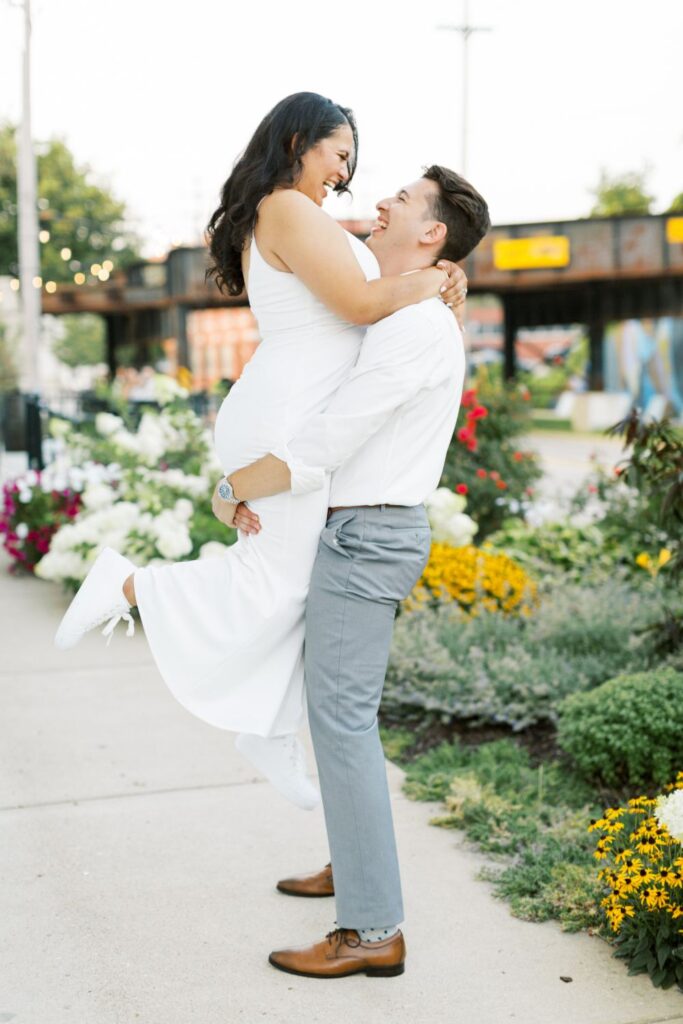
Photo by Lauren Wood Photography
Revisit the Budget as You Go
Your budget isn’t a document you make once and file away. It’s something you’ll revisit regularly as you get actual quotes, make bookings, and adjust your priorities.
It’s completely normal to realize partway through planning that your original allocation doesn’t match what things actually cost. When that happens, go back to your priorities list. Decide what gets more and what gets less, and make sure the total still works. The goal is to finish your wedding without debt you didn’t plan for and without the stress of wondering how you’re going to pay for something.
A wedding budget done well is less about restriction and more about intention. When you know what you have to work with and where it’s going, you can make decisions confidently and actually enjoy the planning process.
you might also like
Check Out The Latest on Instagram
Check Out The Latest on Instagram
Follow us on Facebook and Instagram for more tips, resources, and inspiration!