What Is the 50/30/20 Rule for Weddings?
If you have started planning your wedding and quickly realized how fast expenses add up, you are not alone. One of the most practical budgeting strategies couples are turning to is the 50/30/20 rule for weddings. It is a simple framework that helps divide your wedding budget into clear, manageable categories. But what does it actually mean, and can it realistically work for today’s weddings? Let’s chat it out!
Photo by Heather Jowett Photography
What Is the 50/30/20 Rule?
The 50/30/20 rule originally comes from personal finance. It suggests dividing income into three categories: needs, wants, and savings. When adapted for weddings, couples use this same concept to divide their total wedding budget into three primary spending areas.
Instead of guessing where your money should go, this method gives you structure. It creates boundaries while still allowing you to adjust based on what matters most to you.
In wedding planning, the rule typically looks like this:
-
50 percent for venue, catering, and rentals
-
30 percent for design, style, and personal details
-
20 percent for photography, entertainment, and additional vendors
The 50% Category: Your Core Wedding Experience
Half of your wedding budget typically goes toward the elements that make the day happen logistically. For most weddings, this is the largest expense — and for good reason. Your venue and guest experience set the foundation for everything else. If you’re hosting 100 guests, this portion can easily account for the majority of your total spend. That’s why locking in your guest count early is one of the smartest budgeting decisions you can make.
The 50% budget typically includes these categories:
-
Venue rental
-
Catering (food + beverage)
-
Bar service
-
Rentals (tables, chairs, linens, flatware)
-
Service fees and taxes

Photo by Nathan English Photography
The 30% Category: Design, Style & Details
This is where your personality comes to life. This category is about aesthetic impact — what your guests see and what will define your wedding photos. If having an elevated, editorial look matters deeply to you, you might shift a bit more into this category. If you prefer minimal styling, you can scale this down and redirect funds elsewhere.
The 30% portion typically includes:
-
Florals
-
Decor
-
Lighting
-
Wedding attire
-
Hair and makeup
-
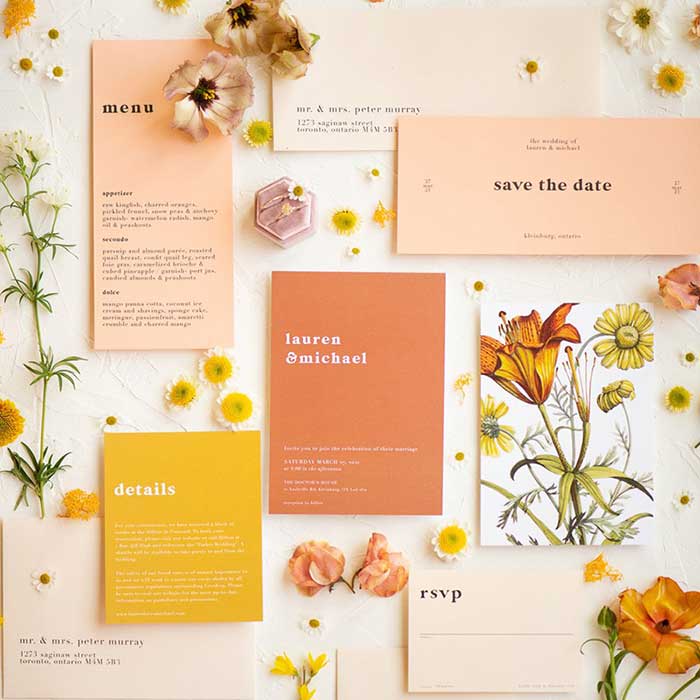
Stationery
-
Ceremony styling
Photo by Dave Ang Photography
The 20% Category: Capturing & Enhancing the Day
The remaining 20% usually covers vendors who preserve the experience and elevate the atmosphere. Many couples prioritize photography heavily — and for good reason. Long after the cake is gone and the flowers have faded, your photos remain. If capturing memories is a top value for you, you may decide to shift percentages slightly in favor of this category.
Common expenses here include:
-
Photographer
-
Videographer
-
DJ or band
-
Officiant
-
Wedding planner or coordinator
-
Transportation
-
Miscellaneous extras

Photo by Alicia Frances Photography
Example: How the 50/30/20 Rule Works with a $30,000 Budget
To see how this works in practice, imagine you are planning a wedding with a total budget of $30,000. This approach gives you clarity from the beginning. When you receive quotes from vendors, you can quickly see whether you are staying within your intended category or need to adjust.
To visualize it clearly:
-
50% = $15,000 (venue, catering, rentals)
-
30% = $9,000 (florals, attire, decor, beauty)
-
20% = $6,000 (photo, music, planner, extras)
Is the 50/30/20 Rule Realistic for Modern Weddings?
Wedding costs have changed in recent years, especially in food and beverage. In some markets, catering alone may exceed half of your total budget. That does not mean the rule fails. It simply means you may need to adjust your percentages.
Some couples find their final breakdown looks closer to 55/25/20 or 60/25/15. The structure still works because it encourages intentional decision making instead of reactive spending.
The goal is not perfection. The goal is balance.
Photo by Chrystin Melanie Photography
When the 50/30/20 Rule Works Best
The 50/30/20 rule is especially helpful if you want a balanced wedding with a traditional venue and full guest list. It works well for couples who are planning on their own and need clear guardrails to avoid overspending.
It may be less applicable for micro weddings, destination celebrations, or backyard events where cost distribution looks very different. In those cases, you can still use the spirit of the rule by dividing your budget into logical priority groups.
How to Use the 50/30/20 Rule Successfully
If one category goes over, look for opportunities to reduce spending in another — rather than increasing your overall budget. One of the most common mistakes is booking emotionally before budgeting logically. Couples often fall in love with a venue or photographer without understanding how it impacts the rest of their spending. Using the 50/30/20 framework first prevents that domino effect.
Start by determining your total comfortable budget, not your maximum possible number, but the number that feels financially responsible. Create a spreadsheet and assign vendors to each category. As you book vendors, track how closely you’re staying within each section.
Next:
-
Multiply your total by 0.50
-
Multiply your total by 0.30
-
Multiply your total by 0.20
Photo by Madeline Kimberley
Wedding planning can feel overwhelming when every vendor quote seems higher than expected. The 50/30/20 rule brings clarity to the process. It offers a starting point that is both structured and flexible.
Your wedding budget should reflect your values, not just averages or expectations. When you approach spending intentionally, you create a celebration that feels thoughtful and financially responsible.
If you are in the early stages of planning, pairing this budgeting framework with a detailed wedding planning checklist can help you move forward confidently and avoid the stress that often comes with unclear financial decisions.
you might also like
Check Out The Latest on Instagram
Check Out The Latest on Instagram
Follow us on Facebook and Instagram for more tips, resources, and inspiration!