How Much Does a Wedding Planner Cost?
One of the first questions newly engaged couples ask, right after “where should we get married,” is whether they need a wedding planner and what one actually costs. The honest answer: it depends entirely on how much help you want. A wedding planner can mean anything from a single person who shows up the week of your wedding to run the timeline, to a full team who manages every vendor, deadline, and design decision from the moment you get engaged.
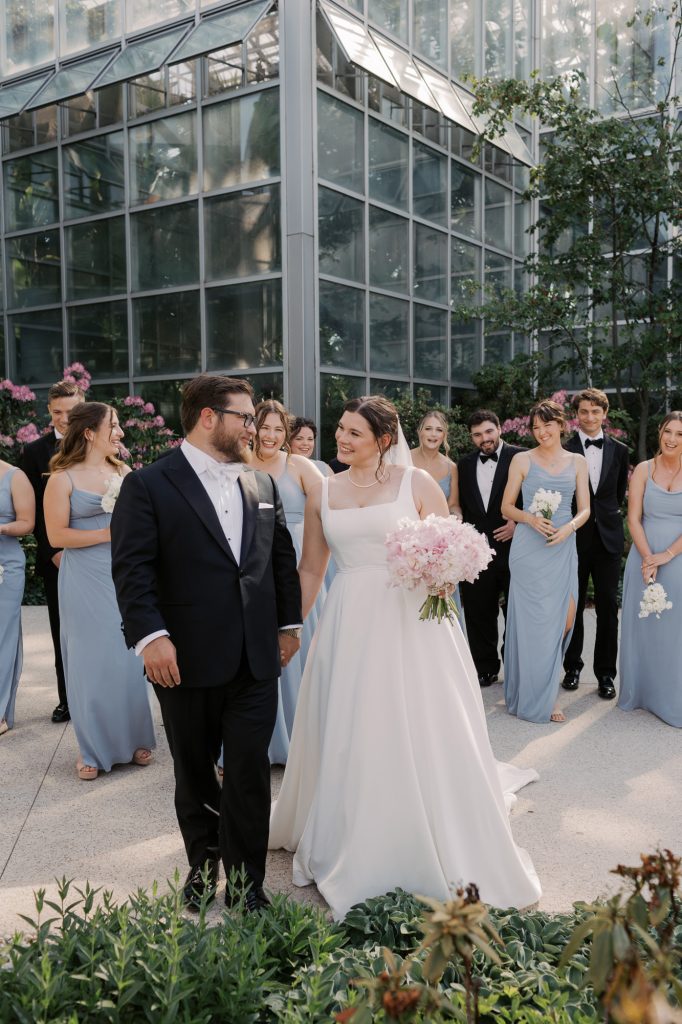
Photo by Kellie Hetler Photography
Average Wedding Planner Cost in 2026
Nationally, wedding planner costs range from about $800 for basic day-of coordination up to $15,000 or more for full-service luxury planning, with most couples landing somewhere between $1,500 and $8,000 depending on the tier of service. Here’s how that breaks down by planner type:
Day-of coordinator: $800 to $2,500, averaging around $1,600 to $1,800. Despite the name, no coordinator actually shows up cold on the wedding day. “Day-of” means they step in during the final few weeks to build your timeline and run the show, so the prep work starts well before the wedding itself.
Partial planning: $2,000 to $6,000, averaging around $3,200. A partial planner joins a few months in, usually after you’ve already booked your venue, and helps with remaining vendor selection, design direction, and timeline management.
Full-service planning: $3,500 to $12,000 or more, averaging around $5,500. A full-service planner is essentially a project manager for your entire engagement, typically starting 9 to 18 months out and handling every vendor relationship, budget decision, and design choice along the way.
Luxury and destination planning: $10,000 to $25,000 or more. In major metros like New York, Los Angeles, and Chicago, luxury full-service planners commonly charge $10,000 to $15,000-plus, and destination weddings carry premium fees for travel and long-distance vendor coordination.

Photo by Samantha Leigh Studios
Is a Wedding Planner Worth the Cost?
For many couples, yes, and not just for the stress relief. A good planner often saves money in ways that offset some or all of their fee: negotiated vendor rates, insider knowledge of which add-ons are worth paying for, and the avoidance of costly last-minute mistakes that come from managing dozens of vendor contracts without experience. There’s also a time argument worth putting a number on. Wedding planning research suggests couples spend anywhere from 50 to 200-plus hours planning a wedding without professional help. If that time would otherwise go toward work, family, or simply your own sanity in the months before the wedding, even a mid-tier planning package can be the better trade. That said, a planner isn’t mandatory. Couples with more time than money, a smaller and simpler celebration, or a genuine love of the planning process itself often do beautifully on their own, especially with the right free resources. Our 12-month wedding planning checklist and wedding budget planner are built to give DIY couples the same structure a planner would provide.

Photo by The House on The Clouds
How Wedding Planners Charge:
Planners generally price their services one of three ways, and it’s worth understanding all three before you start requesting quotes.
Flat fee: The most common structure, especially for day-of and partial planning packages. You pay one set price for a defined scope of services, which makes budgeting simple and predictable.
Percentage of your total wedding budget: Common among full-service and luxury planners, typically 10 to 20 percent of your overall spend. On a $40,000 wedding, that’s $4,000 to $8,000. The upside is that the planner’s incentive lines up with delivering quality across every category. The downside is that your planner bill grows every time you upgrade something else, so a bigger florals budget or a fancier band means a bigger planning fee too.
Hourly rate: Less common for full packages but increasingly popular for standalone consultations or a la carte help, like a single design session or a few hours of vendor research. Rates typically run $75 to $275 an hour depending on experience and market.
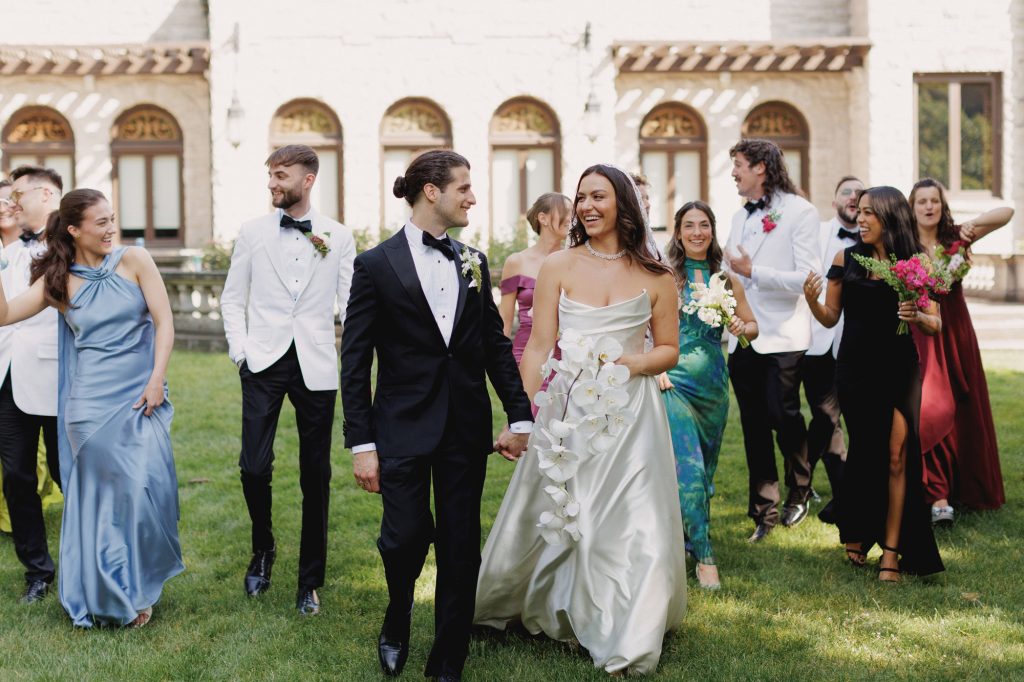
Photo by Amanda Vanvels Photography
What Drives the Price Up or Down
Service level: This is the single biggest factor. Day-of coordination and full-service planning aren’t different amounts of the same thing, they’re genuinely different jobs, and the price reflects that.
Location: Wedding planners in major metro areas and high-demand markets charge noticeably more than planners in smaller cities and rural areas. A full-service planner in a big coastal city might charge double what a planner in a smaller Midwest market charges for comparable service.
Guest count and complexity: A 250-guest wedding with multiple events requires far more coordination hours than an intimate 50-guest celebration, and planners typically price accordingly.
Experience and demand: Planners with strong portfolios, established vendor relationships, and busy calendars charge more, but that premium often pays for itself in fewer costly mistakes and better vendor pricing behind the scenes.
Wedding style and travel: Multi-day celebrations, elaborate themed designs, and destination weddings all add planning complexity and, usually, planning cost.

Photo by Heather Jowett Photography
How to Choose the Right Level of Planning Help
If you’re still deciding which tier fits, ask yourself a few questions. How much of the planning process actually excites you, versus feels like a burden? Are you working full-time with limited hours to spend on vendor calls and spreadsheets? Is your wedding local, or will you be coordinating vendors from a distance? And realistically, how much decision fatigue can you and your partner handle over the coming months? A common middle-ground move for budget-conscious couples: book vendors yourselves early on, then bring in a month-of or day-of coordinator a few weeks before the wedding to handle the high-stress final stretch and run the actual event. This gets you most of the DIY savings with a safety net for the day itself.
Whether you hire a full-service planner, bring in a day-of coordinator, or plan the whole thing yourselves, the right amount of help is whatever keeps your engagement enjoyable instead of overwhelming. Start with our free wedding budget planner to see where planning fees fit into your overall spend, and when you’re ready to build your vendor team, browse Nearlywed’s Michigan wedding vendor directory for planners, coordinators, and every other pro you’ll need along the way.
you might also like
Check Out The Latest on Instagram
Check Out The Latest on Instagram
Follow us on Facebook and Instagram for more tips, resources, and inspiration!