Who Pays for What in a Wedding?
One of the first questions many engaged couples ask during the planning process is who is expected to pay for different parts of the wedding. Traditionally, weddings followed fairly strict financial guidelines that divided expenses between the bride’s family, the groom’s family, and the couple. However, modern weddings have become much more flexible.
Today, every couple’s situation is different. Some couples pay for the majority of their wedding themselves, while others receive contributions from both families. Understanding traditional etiquette can still be helpful, but the most important thing is having open and honest conversations about the budget early in the planning process.

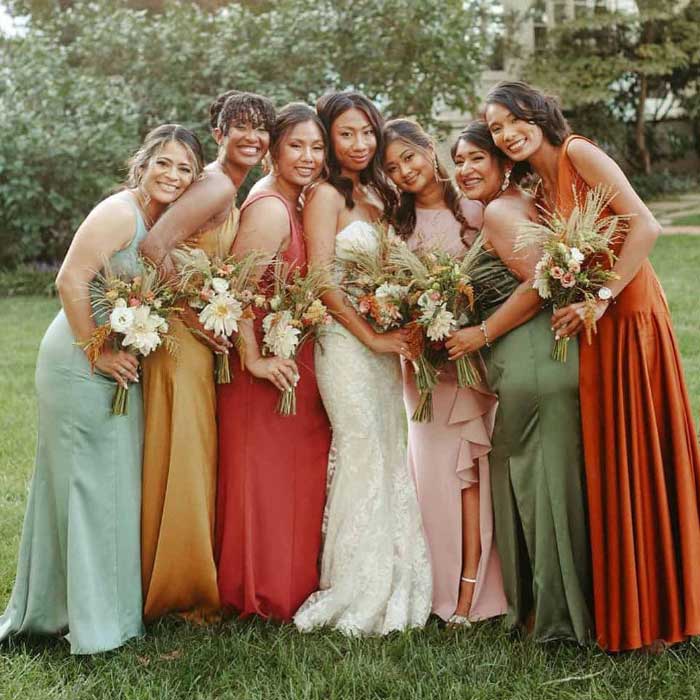
Photo by The House On The Clouds
Who Pays For What in a Wedding?
Traditionally Paid by the Bride’s Family
Historically, the bride’s family covered the majority of wedding expenses. This tradition dates back many generations when the bride’s family hosted the wedding celebration. Because these are often the largest wedding expenses, the bride’s family was traditionally responsible for hosting the celebration itself.
Common expenses traditionally paid by the bride’s family include:
-
Ceremony venue and reception venue
-
Catering and bar service
-
Wedding planner or coordinator
-
Photographer and videographer
-
Wedding dress and bridal accessories
-
Floral arrangements and décor
-
Invitations and stationery
-
Transportation for the wedding day
-
Wedding cake or dessert display
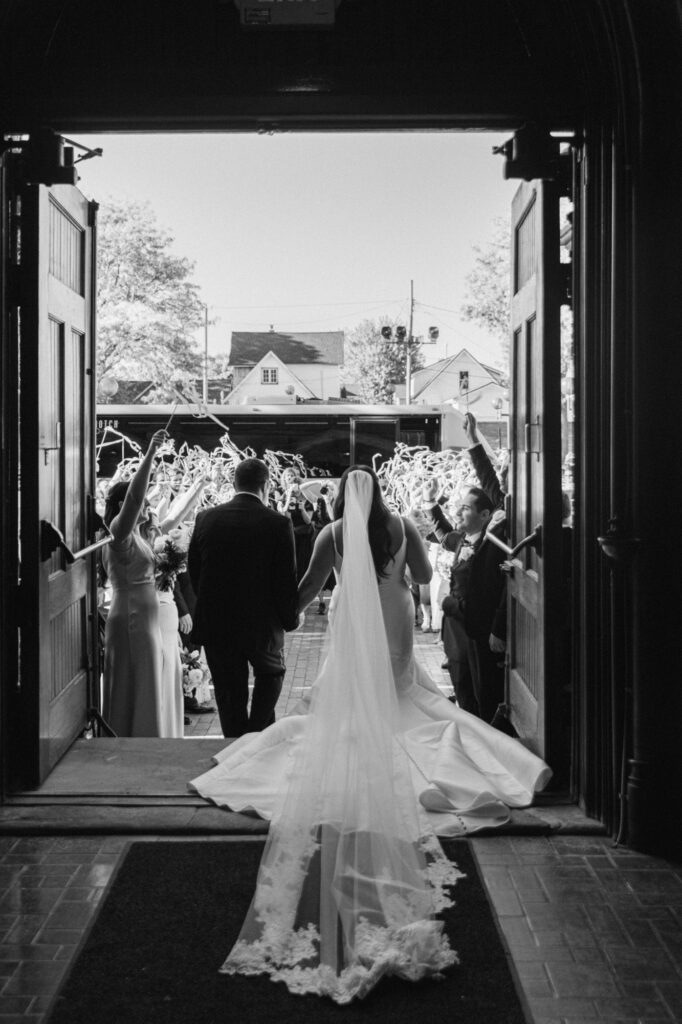
Photo by Alicia Frances Photography
Traditionally Paid by the Groom’s Family
In traditional wedding etiquette, the groom’s family covered a smaller portion of the expenses but still played an important role in supporting the celebration. The rehearsal dinner, which takes place the evening before the wedding, is still commonly hosted by the groom’s family today.
Typical expenses paid by the groom’s family included:
-
Rehearsal dinner
-
Marriage license
-
Officiant fee
-
Groom’s attire
-
Bride’s bouquet and ceremony flowers
-
Honeymoon
-
Boutonnieres for the groom and groomsmen
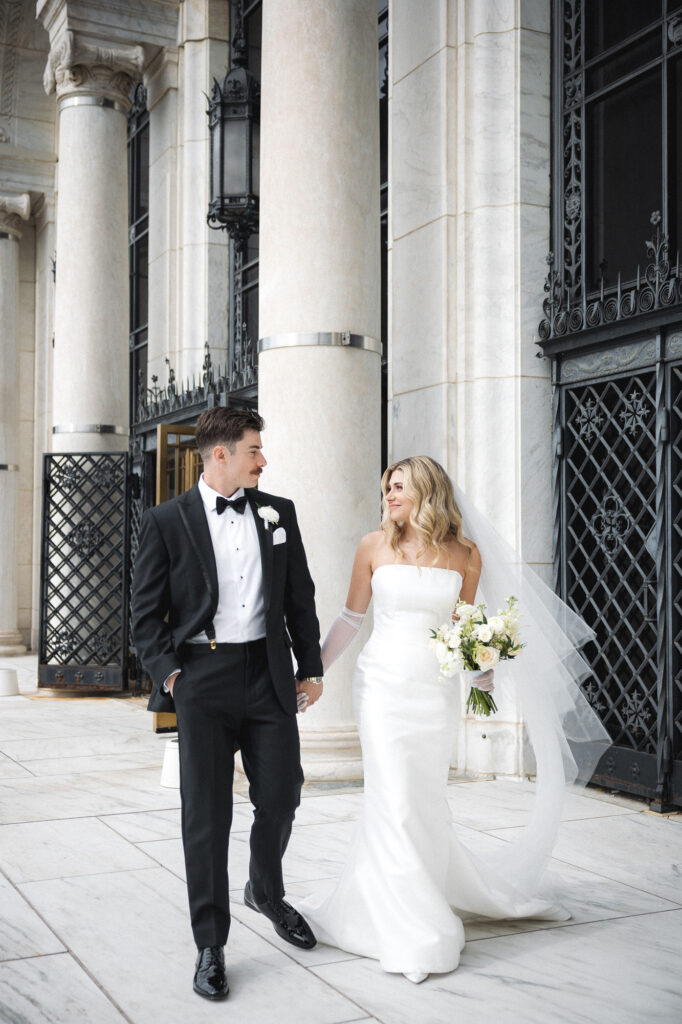
Photo by Rosy & Shaun Weddings
Expenses Typically Paid by the Couple
In modern weddings, couples often take on more financial responsibility for their celebration. Many couples contribute to the wedding themselves or pay for it entirely. Some couples also choose to split major expenses evenly with both families.
Expenses that couples commonly pay for include:
-
Engagement ring and wedding bands
-
Wedding planner upgrades or additional services
-
Personalized décor and design elements
-
Wedding website and digital invitations
-
Entertainment such as the DJ or band
-
Wedding favors for guests
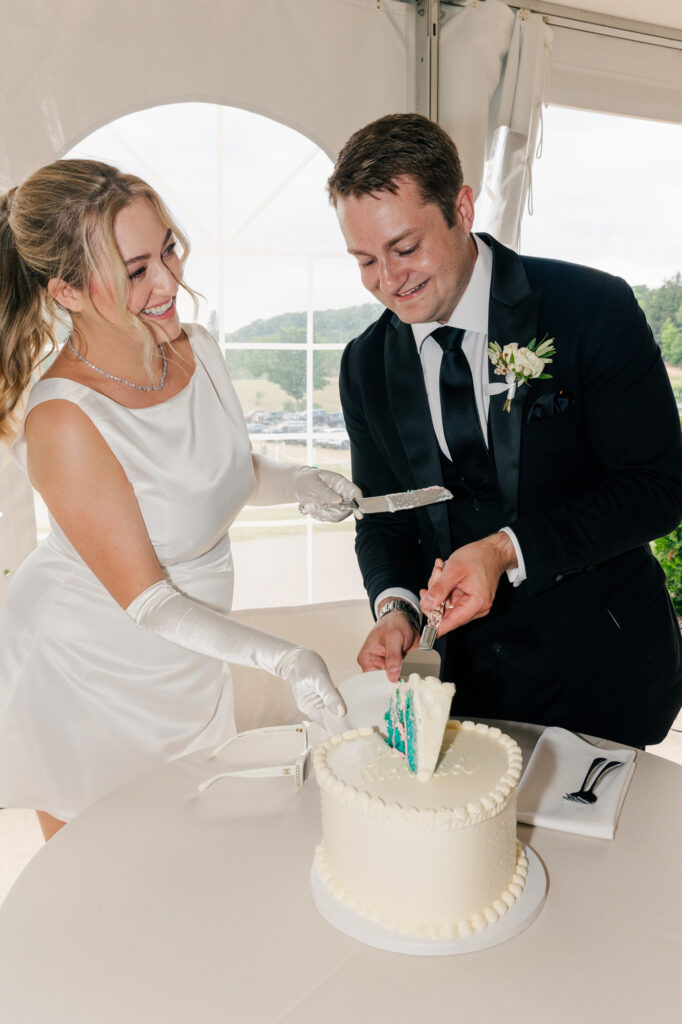
Photo by Chrystin Melanie Photography
What the Wedding Party Usually Pays For
Members of the wedding party also typically cover certain expenses related to participating in the wedding. However, couples sometimes choose to cover certain costs as a gesture of appreciation, especially if the wedding party has significant travel expenses.
Bridesmaids and groomsmen often pay for:
-
Their wedding attire and accessories
-
Travel and accommodations for the wedding
-
Bachelor or bachelorette party expenses
-
Wedding day hair and makeup in some cases
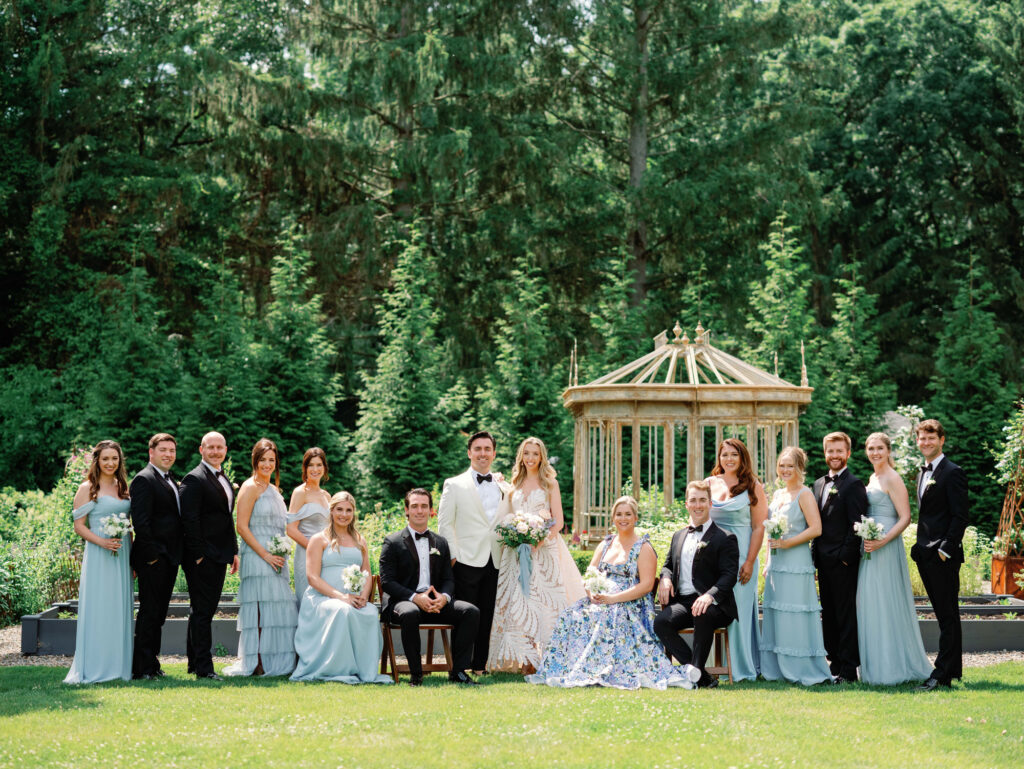
Photo by The Fourniers
How Modern Weddings Handle the Budget
Today, there are no strict rules about who pays for what in a wedding. Many couples prefer to divide expenses in ways that make the most sense for their families and financial situations. The most important part of planning a wedding budget is clear communication. Having open conversations early helps avoid misunderstandings and ensures everyone feels comfortable with the financial plan.
Some modern approaches include:
-
The couple paying for the majority of the wedding themselves
-
Both families contributing equally to the overall budget
-
Each family covering specific categories such as the rehearsal dinner or floral arrangements
-
Parents offering a fixed financial contribution while the couple decides how to allocate it

Photo by Andi B Photography
Talking About Wedding Finances
Discussing money can sometimes feel uncomfortable, but it is an important part of wedding planning. Couples should begin by creating a realistic budget and identifying who plans to contribute financially.
If family members are helping pay for the wedding, it is helpful to clarify expectations about guest lists, planning involvement, and spending priorities.
Ultimately, there is no single right way to divide wedding expenses. The best approach is one that reflects your family dynamics, financial comfort level, and personal values.
you might also like
Check Out The Latest on Instagram
Check Out The Latest on Instagram
Follow us on Facebook and Instagram for more tips, resources, and inspiration!