Who Gets a Plus One at a Wedding?
Few parts of wedding planning cause as much quiet stress as the guest list, and within that list, few decisions spark more debate than plus-ones. Should your single cousin get to bring a date? What about the coworker you’re close with but who just started seeing someone new? The good news is that etiquette experts and wedding planners have landed on a fairly consistent set of guidelines over the years. This is often referred to as the general wedding plus-one rule.

Photo by Lindsey Billings Photography
The General Rule: Who Gets a Plus One at a Wedding?
The general plus-one rule states that guests who are married, engaged, or living with a partner should automatically receive a plus-one. This is considered a firm expectation in most etiquette circles, since these relationships are seen as established households rather than casual dating situations.
Beyond that baseline, everything else is a judgment call. Couples are not obligated to extend a plus-one to every single guest, and doing so is entirely optional based on budget, venue capacity, and personal preference.
Who Traditionally Gets a Plus-One?
Most etiquette guides break plus-one eligibility into a few tiers:
Married couples and domestic partners almost always receive a plus-one together, since they are being invited as a unit.
Engaged couples fall into the same category. If someone has a ring on their finger, their partner should be invited too.
Long-term couples, even if not engaged or living together, are often extended the same courtesy, particularly if the couple has been together for a year or more or has met the host’s friends and family.
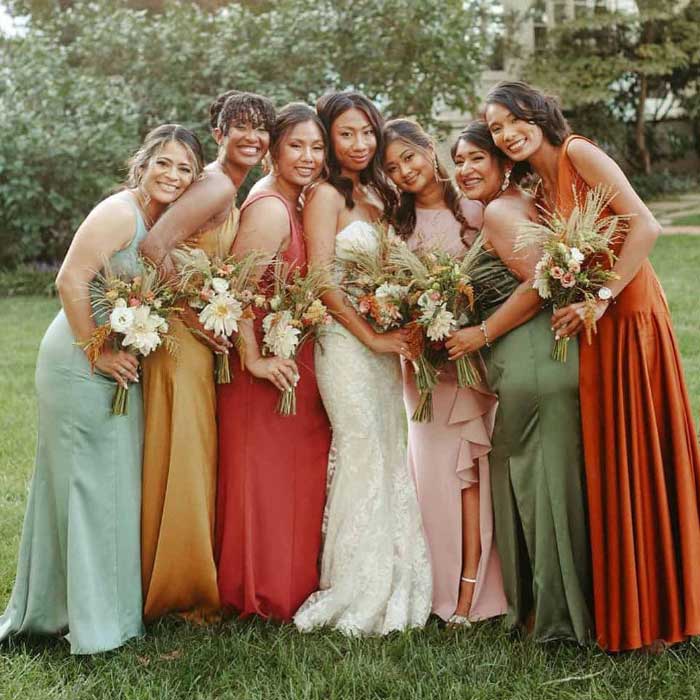
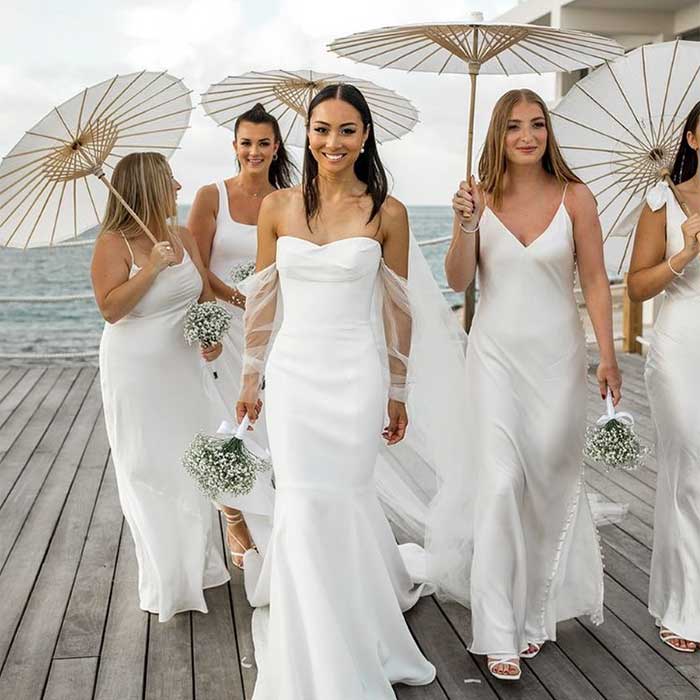
Members of the wedding party, such as bridesmaids and groomsmen, are frequently given a plus-one as a thank-you for their time and involvement, regardless of relationship status.

Photo by Mishelle Lamarand Photography
Who Typically Does Not Get a Plus-One
Guests who are casually dating someone, dating no one, or bringing a partner the couple has never met usually fall outside the automatic plus-one rule. This is not considered rude. It is simply a practical way to manage a guest list, since inviting a stranger to an intimate event can feel awkward for everyone involved, including the extra guest.
Children are their own separate category and are typically addressed through a distinct child-free or family-inclusive policy rather than the plus-one rule.
Why the Plus-One Rule Exists
Weddings are expensive, and every additional name on the list affects catering costs, seating charts, and venue capacity. The plus-one rule gives couples a consistent, defensible standard to apply across the board, rather than making case-by-case decisions that can seem arbitrary or unfair to guests who compare notes.
It also protects the atmosphere of the event. A wedding filled with unfamiliar faces who have no connection to the couple or to other guests can feel disjointed. Sticking to a clear rule helps keep the room full of people who genuinely matter to the couple’s story.
Photo by The Fourniers
How to Communicate the Rule Clearly
The most common source of hurt feelings is not the rule itself but how it is communicated. A few best practices can help:
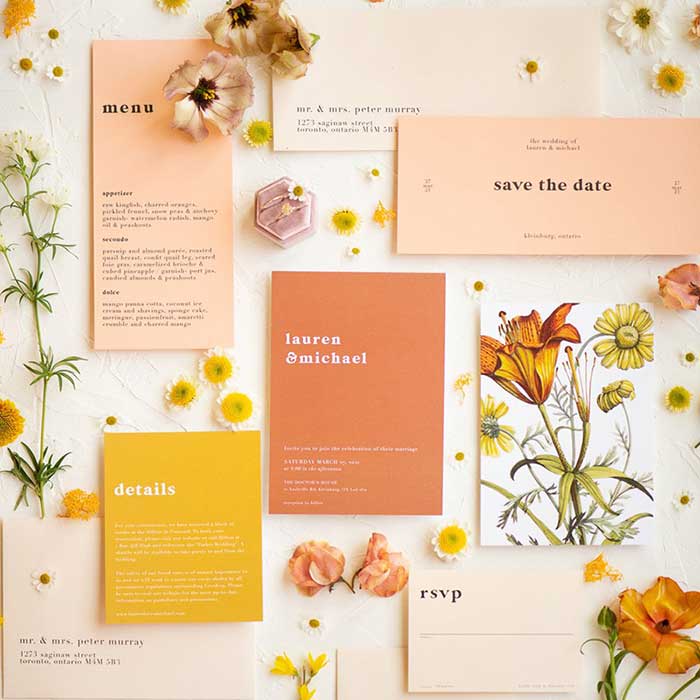
- Address the invitation directly to the specific people invited. An invitation addressed only to the guest, without “and guest” or a named partner, signals that a plus-one was not extended.
- Use the RSVP card to reinforce this. Many couples include a line that says something like “reserved seats for” followed by the guest’s name and, if applicable, their partner’s name.
- Be prepared to explain the policy privately if asked. A short, honest explanation, such as noting that the guest list is limited to established couples due to venue size, is usually enough to smooth over any confusion.
Exceptions Couples Should Consider
Even with a general rule in place, there are situations where flexibility makes sense. A guest traveling from out of town for a multi-day wedding weekend may feel more comfortable with a plus-one, since they will be navigating unfamiliar surroundings without their usual support system. Similarly, a guest who does not know anyone else at the wedding may benefit from bringing someone, simply so they are not spending the entire event alone. Ultimately, the plus-one rule is meant to be a helpful framework rather than a rigid law. Couples are free to adjust it based on their budget, their venue, and the specific relationships involved.

Photo by Laurenda Marie Photography
The Bottom Line
The general wedding plus-one rule offers a simple standard: married, engaged, and cohabiting couples receive a plus-one automatically, while other guests receive one at the couple’s discretion. Having a clear policy from the start, and communicating it consistently, is the easiest way to avoid confusion and keep the guest list focused on the people who matter most.
you might also like
Check Out The Latest on Instagram
Check Out The Latest on Instagram
Follow us on Facebook and Instagram for more tips, resources, and inspiration!