What Does a Wedding Planner Actually Do?
If you are newly engaged and starting to research vendors, you have likely asked yourself this question. What does a wedding planner actually do, and is hiring one worth it?
Many couples assume planners simply help choose flowers or coordinate décor. In reality, a professional wedding planner manages logistics, timelines, vendor communication, budgeting, design execution, and problem solving from start to finish. Their role goes far beyond aesthetics.
If you are wondering whether hiring a planner makes sense for your wedding, here is a clear breakdown of what they truly handle behind the scenes.

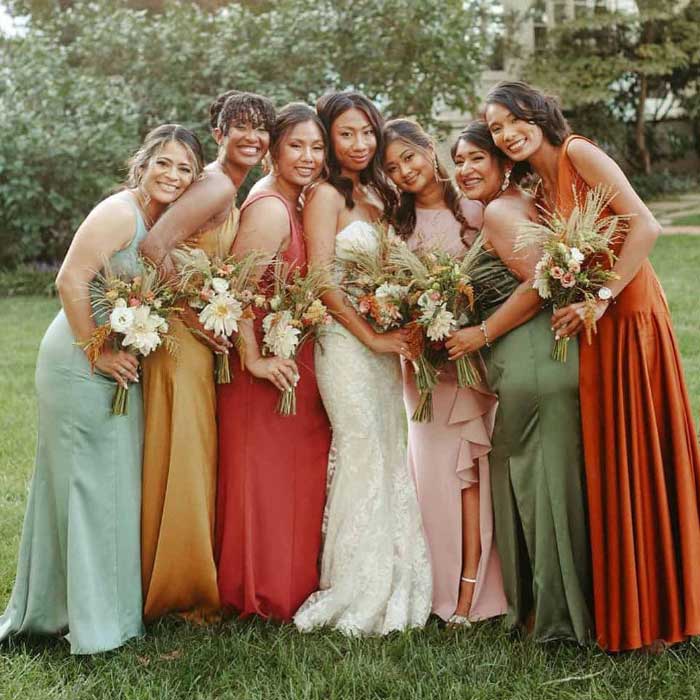
Photo by Veil of Grace Photography
They Help You Build and Manage Your Budget
Instead of guessing how much to spend on each category, you have professional guidance from the beginning. This alone can prevent major financial stress later. One of the first things a wedding planner does is help you establish a realistic budget. They know average costs in your area and can quickly identify whether your expectations align with your numbers.
A planner helps you:
-
Allocate your budget strategically
-
Avoid common overspending traps
-
Understand hidden costs such as service fees and taxes

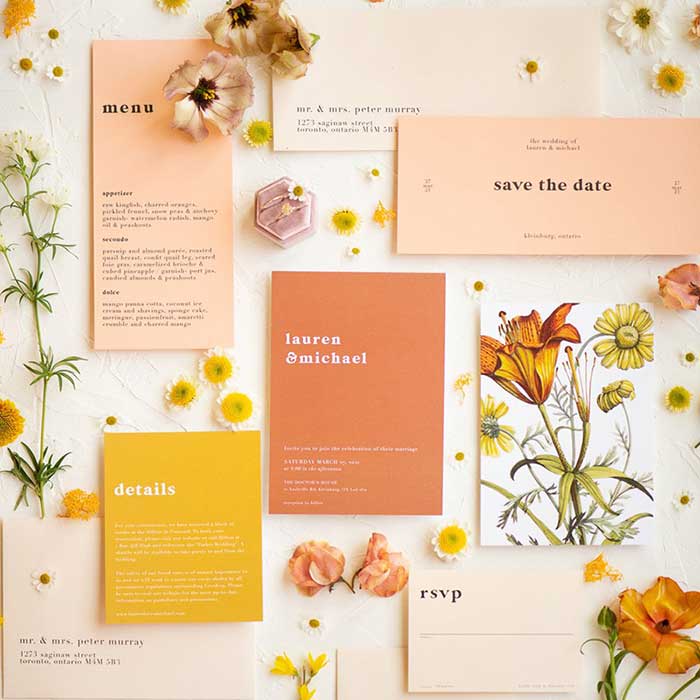
Photo by The House On The Clouds
They Create a Detailed Planning Timeline
Wedding planning involves dozens of deadlines. Booking vendors, sending invitations, scheduling dress fittings, securing permits, and finalizing menus all need to happen at specific times. A wedding planner builds a custom planning timeline based on your date and venue. They remind you of deadlines and ensure nothing falls through the cracks. This structure keeps planning organized rather than overwhelming. On the wedding day itself, they also create a minute by minute timeline so vendors, family members, and the wedding party all know where to be and when.
They Recommend and Manage Vendors
Planners have established relationships with trusted vendors. Instead of spending hours researching photographers, florists, and DJs, your planner can recommend professionals who align with your style and budget. They also handle communication. This includes reviewing contracts, coordinating arrival times, confirming logistics, and serving as the main point of contact. This means vendors call your planner, not you, on your wedding day.
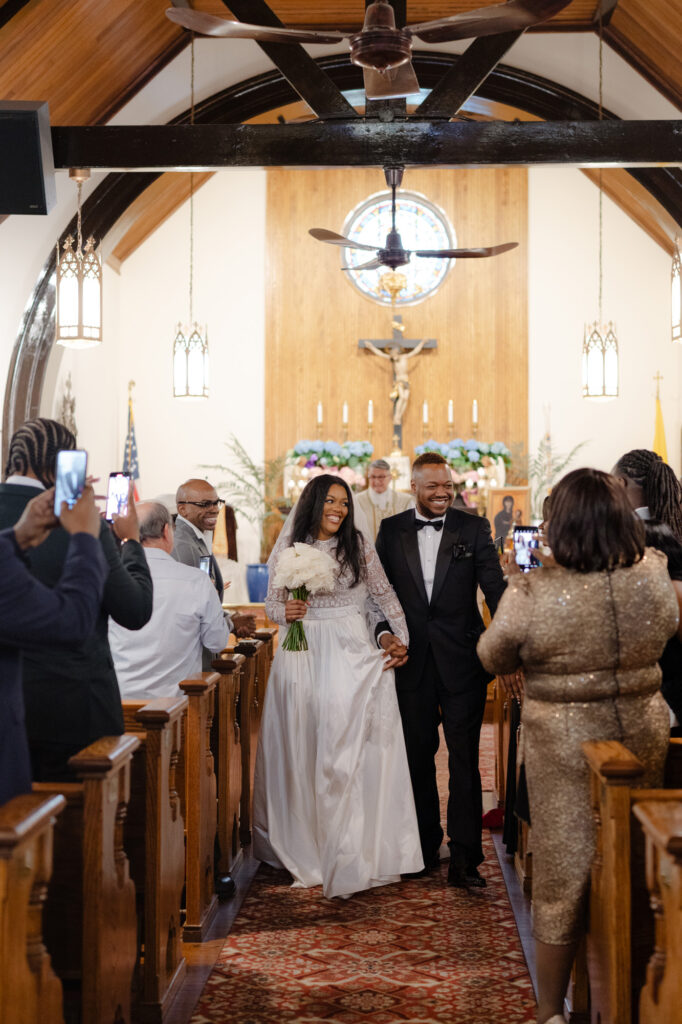
Photo by Alena Kostromina
They Design and Execute Your Vision
Depending on the level of service you choose, many planners also assist with design. They help refine your aesthetic, create cohesive color palettes, and ensure every detail feels intentional. They may source décor, coordinate rentals, collaborate with your florist, and oversee layout planning. On the wedding day, they ensure everything is styled and placed correctly according to plan. This allows you to walk into your reception without worrying about whether centerpieces were arranged properly or signage was set up.
They Problem Solve Behind the Scenes
Every wedding has unexpected moments. Weather changes. Vendors run late. Boutonnieres go missing. Seating charts need adjustments. A wedding planner handles these issues quietly and efficiently. Often, you will never even know something went wrong because it was resolved before it reached you. This peace of mind is one of the biggest reasons couples hire planners. Instead of managing stress, you are free to be present.

Photo by Chrystin Melanie Photography
They Coordinate the Wedding Day
Even if you do not hire a full service planner, many couples choose at least a day of coordinator. This role focuses specifically on execution.
On your wedding day, your planner or coordinator will:
-
Manage vendor arrivals and setup
-
Keep the timeline on track
-
Cue the ceremony processional
-
Coordinate transitions between events
-
Handle cleanup logistics
Without someone overseeing these details, those responsibilities often fall on family members or the wedding party. A planner allows your loved ones to relax and enjoy the celebration.
Different Types of Wedding Planning Services
Not all planners offer the same level of involvement. Understanding the options helps you choose what fits your needs. Full service planning typically begins shortly after engagement and includes budgeting, vendor selection, design guidance, and full wedding day coordination. Partial planning is ideal for couples who have already secured some vendors but need help refining details and managing logistics. Day of coordination focuses primarily on the final weeks of planning and execution on the wedding day itself. Choosing the right level depends on your budget, schedule, and how hands on you want to be.
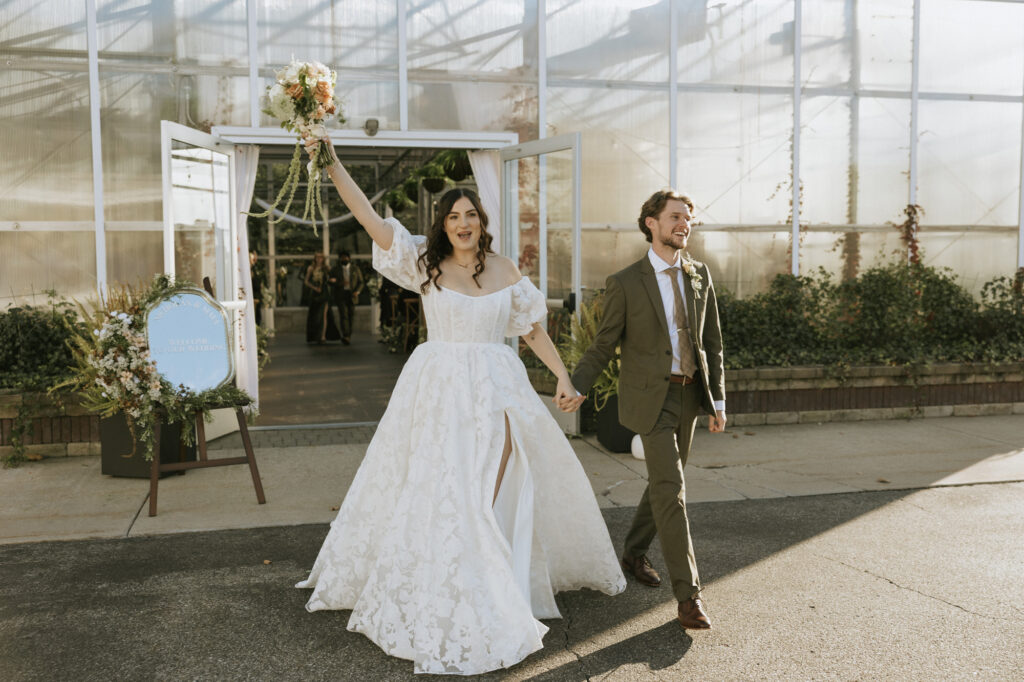
Photo by Ivy House Wedding
Is Hiring a Wedding Planner Worth It?
For many couples, the answer is yes. Planning a wedding is similar to managing a large scale event with multiple vendors, contracts, deadlines, and moving parts. If you have a demanding job, limited time, or are planning from out of town, a planner can be invaluable. Even highly organized couples often find that having a professional guide reduces stress significantly. That said, if you are hosting a small, simple gathering with minimal vendors, you may feel comfortable managing logistics yourself.
A wedding planner does far more than choose flowers or create pretty tablescapes. They manage budgets, timelines, vendors, design, and day of logistics. Most importantly, they protect your peace.
Your wedding day should feel joyful, not stressful. Whether you choose full service planning or day of coordination, having someone dedicated to making everything run smoothly allows you to focus on what truly matters. Celebrating your marriage and being fully present in the moment.
you might also like
Check Out The Latest on Instagram
Check Out The Latest on Instagram
Follow us on Facebook and Instagram for more tips, resources, and inspiration!