Wedding Processional Order: Who Walks Down the Aisle and When?
The music starts, guests rise, and all eyes turn to the back of the aisle. It’s one of the most iconic and emotional moments of any wedding day. But before the big entrance, you might be wondering: who exactly walks down the aisle—and in what order?
Whether you’re planning a traditional ceremony or customizing things to fit your style, understanding the typical processional structure can help you organize the flow and timing of your big day. Here’s a breakdown of how a wedding processional traditionally works, along with modern variations to suit any couple.
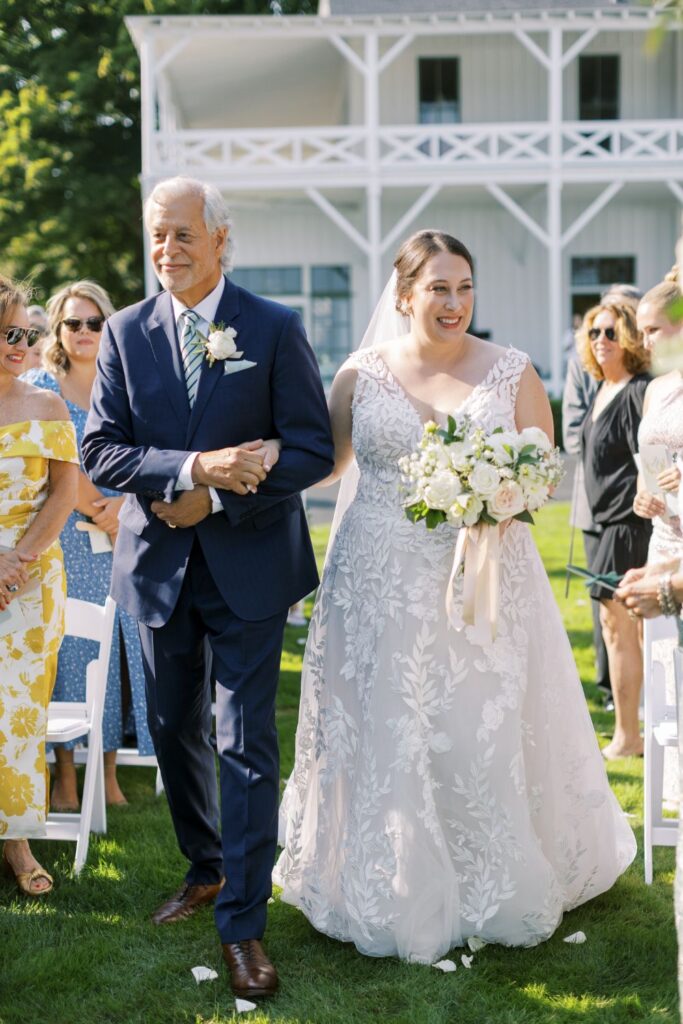
Photo by Ashley Slater Photography
Traditional Wedding Processional Order (Heteronormative, Religious or Formal Ceremonies)
1. Officiant
The officiant often enters from the side or walks down the aisle first to take their place at the altar.
2. Grandparents of the Couple
If included, grandparents are usually seated first. Ushers or family members may escort them to their seats.
3. Parents of the Groom
The groom’s parents are typically seated before the ceremony begins. In Christian traditions, the groom’s parents are seated in the front row on the right-hand side.
4. Mother of the Bride
The bride’s mother is the last to be seated before the processional begins. Her seating cues the official start of the ceremony.
5. Groom
In traditional Christian weddings, the groom often enters from the side with his officiant and best man. In Jewish weddings, the groom is escorted down the aisle by both parents.
6. Wedding Party
Bridesmaids and groomsmen can walk in one of two ways:
-
In pairs (one bridesmaid and one groomsman per row)
-
Individually, with groomsmen entering first, followed by bridesmaids
The maid or matron of honor enters last, alone, just before the flower girl and ring bearer.
7. Flower Girl and/or Ring Bearer
Children may walk down the aisle together or individually. They’re typically the last to enter before the bride.
8. Bride and Escort
The bride enters last, traditionally escorted by her father or another loved one. This is the pinnacle of the processional and often timed with a shift in music for dramatic effect.

Photo by Megan Hannon Photography
Jewish Wedding Processional Order
In Jewish tradition, the processional differs slightly, often with both sets of parents accompanying their children.
-
Rabbi or Cantor
-
Grandparents
-
Groom with Both Parents
-
Bridal Party (groomsmen, bridesmaids, or any attendants)
-
Ring Bearer and Flower Girl
-
Bride with Both Parents
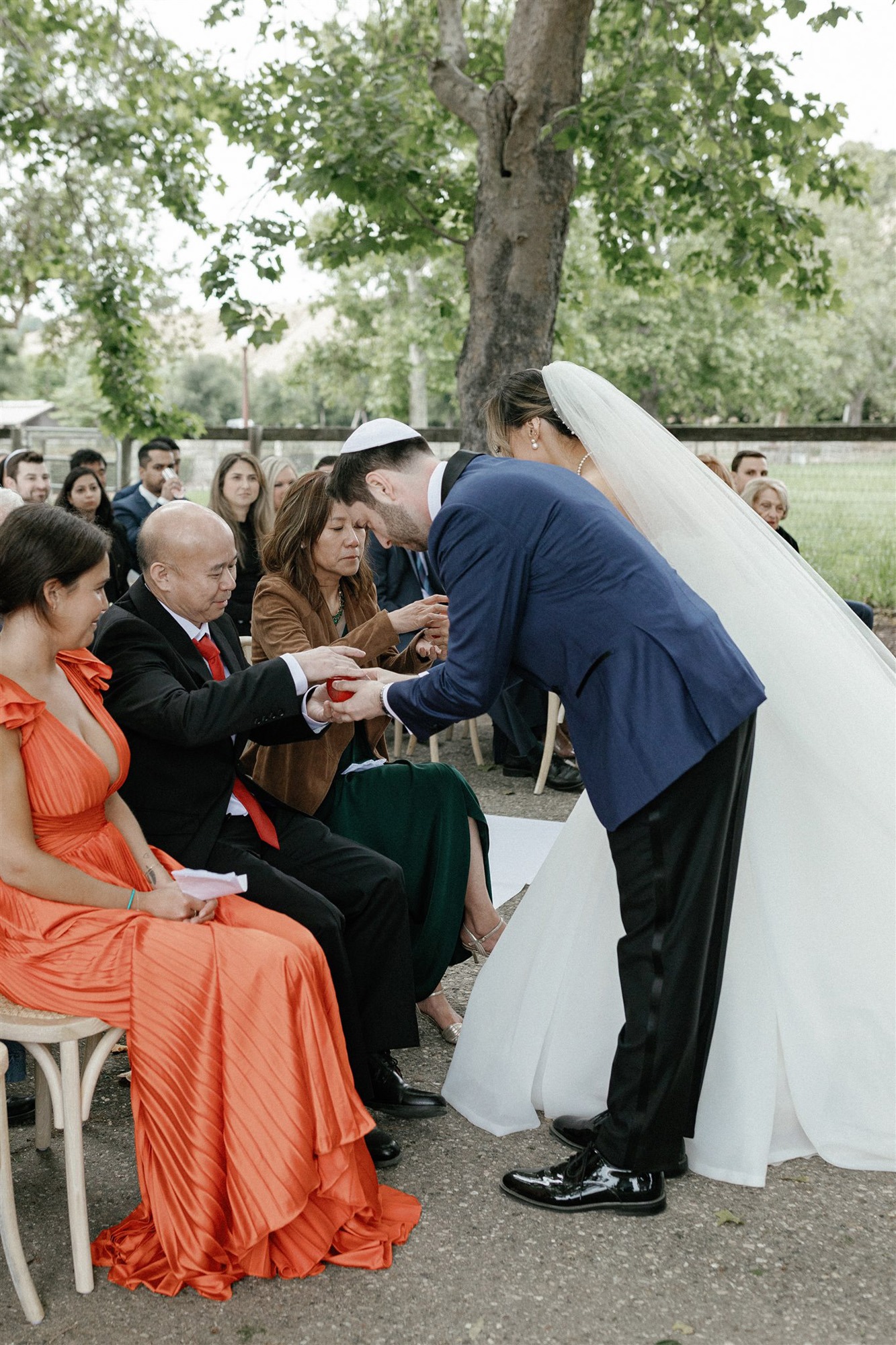
Photo by Whispering Rose Ranch Wedding
Modern or Nontraditional Processional Ideas
Couples today often choose to personalize the processional order to reflect their family structures, values, or ceremony setting. Some options include:
-
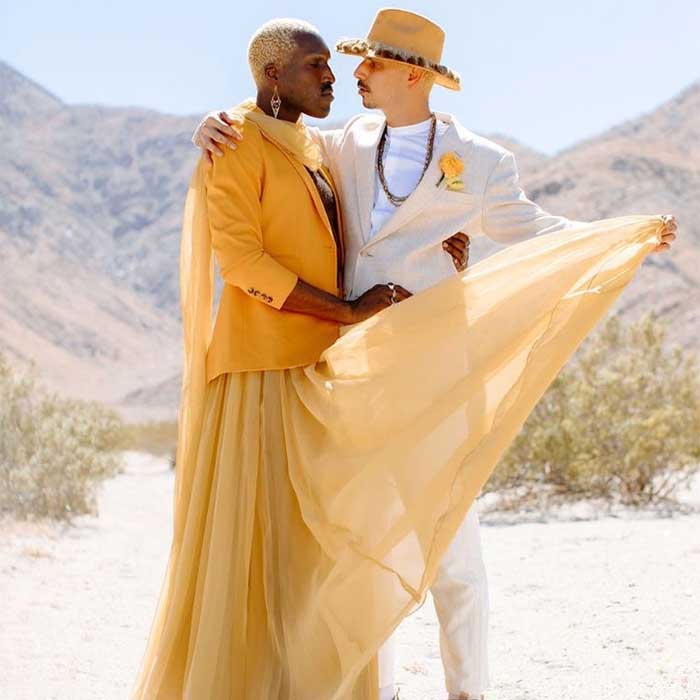
Walking down the aisle together: A symbolic choice for couples who want to enter the ceremony as equals.
-
Both partners walking in with their parents: Reflects mutual support and family unity.
-
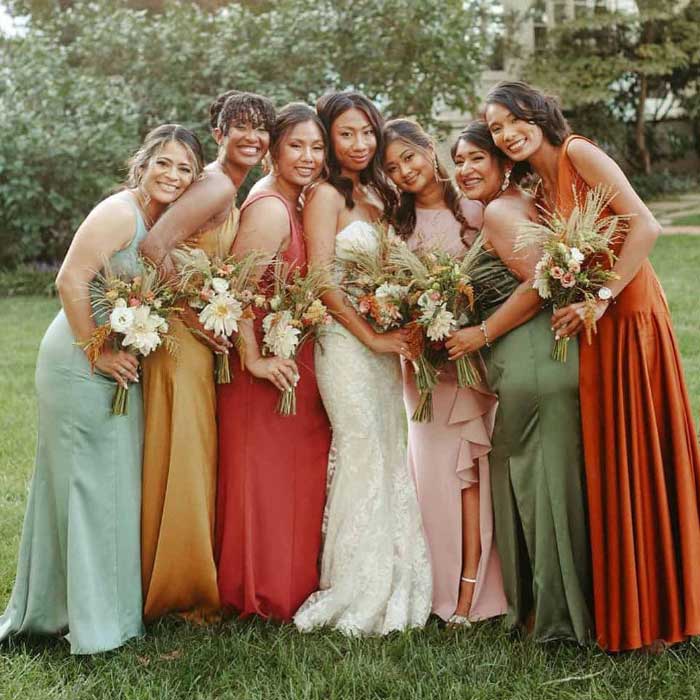
Mixed-gender wedding parties: Attendants can walk in pairs regardless of gender or role.
-
Skipping roles altogether: Some couples choose to have no processional or keep it very minimal, especially at more casual or outdoor weddings.
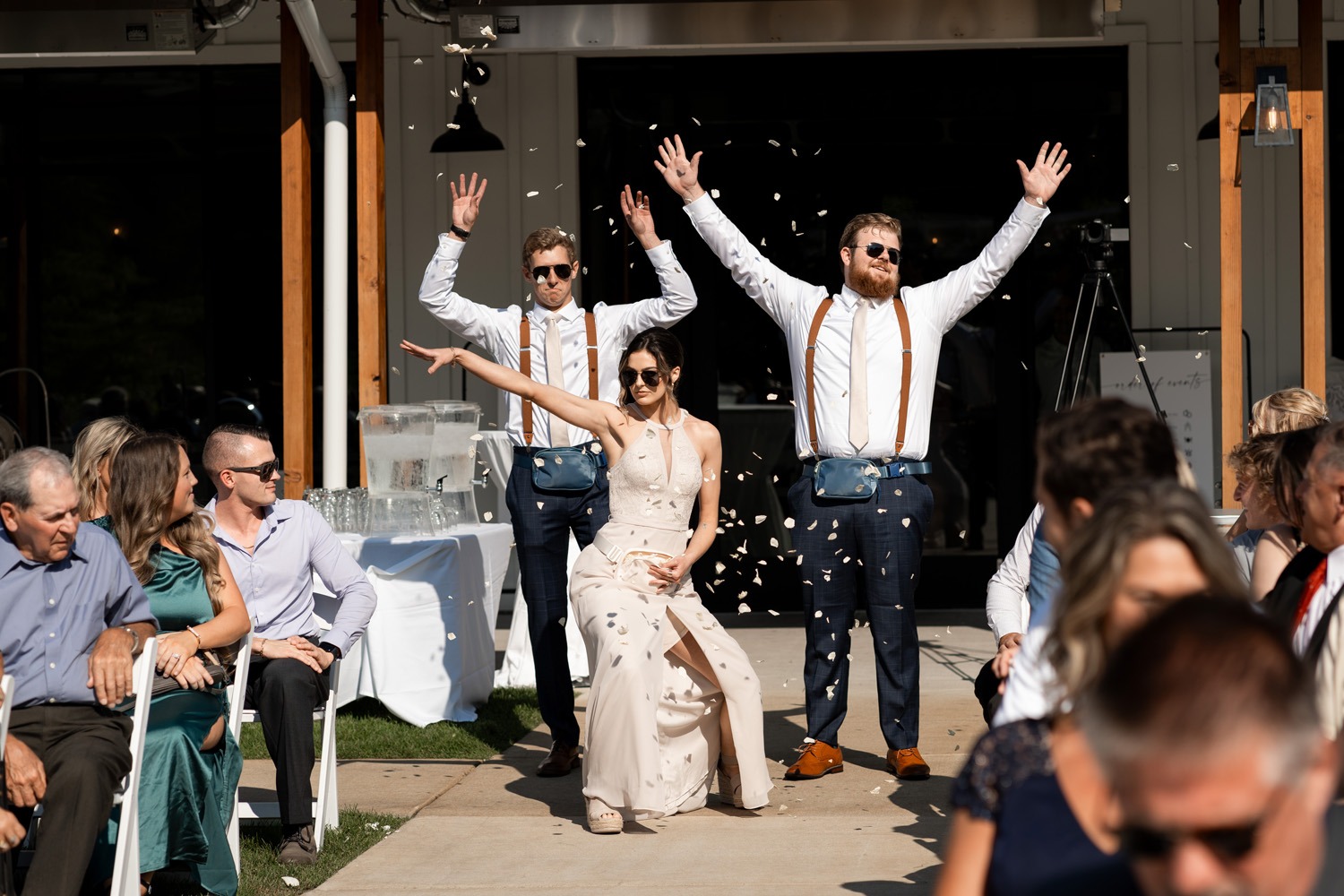
Photo by Wind and Waves Media
Tips for a Smooth Processional
-
Rehearse the timing: A ceremony rehearsal the day before helps everyone feel confident and coordinated.
-
Assign an aisle manager: Have a planner or coordinator cue each person at the right time.
-
Choose the right music: Use different songs or musical transitions to distinguish between the party, family, and the bride’s entrance.
-
Consider the venue layout: A long aisle requires different timing than a short one, and outdoor or nontraditional venues may call for a customized flow.
you might also like
Check Out The Latest on Instagram
Check Out The Latest on Instagram
Follow us on Facebook and Instagram for more tips, resources, and inspiration!