The Ultimate Guide to Unplugged Weddings
An unplugged wedding is exactly what it sounds like: a ceremony where guests are asked to put away their phones, cameras, and devices so they can be fully present in the moment. In a world where documenting everything has become second nature, unplugged weddings offer couples a chance to reclaim intimacy, intention, and connection on one of the most meaningful days of their lives.
If you’ve ever watched a ceremony through a sea of raised phones or worried about guests blocking your photographer’s shot, an unplugged wedding may be the perfect solution. This guide walks you through what an unplugged wedding is, why couples choose it, how to ask guests respectfully, and how to make it work seamlessly on your wedding day.
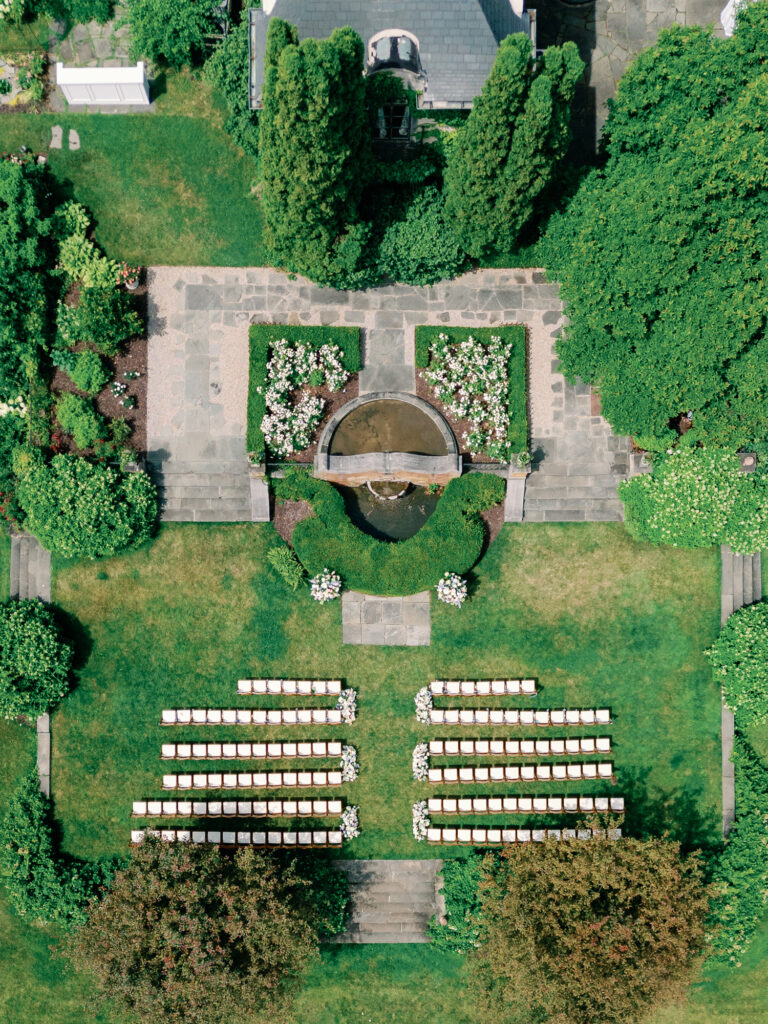
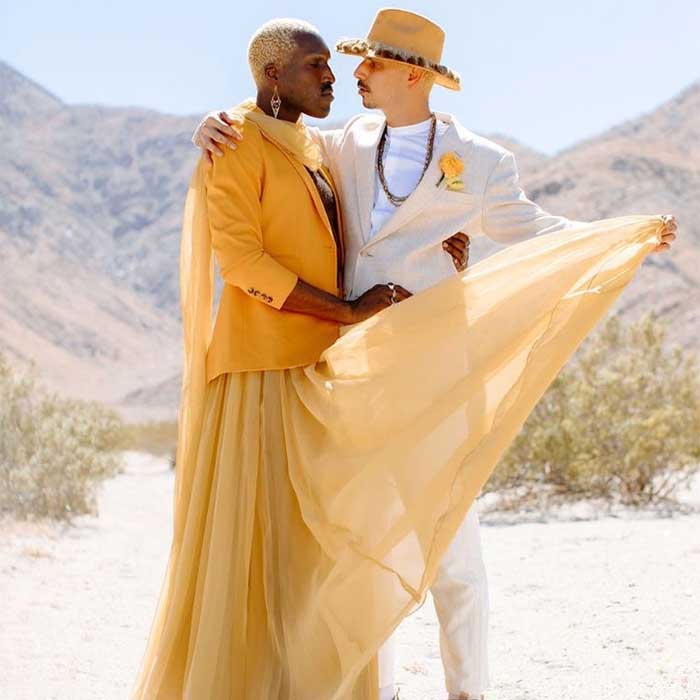
Poto by The Fourniers
What Is an Unplugged Wedding?
An unplugged wedding typically applies to the ceremony portion of the day, though some couples choose to extend it to cocktail hour or even the entire celebration. Guests are asked to refrain from taking photos, videos, or using their phones so they can focus entirely on the moment unfolding in front of them.
The goal isn’t to restrict joy or memories, but to create an atmosphere where everyone is truly present—watching your vows, sharing emotion, and celebrating without distractions.
Why Couples Choose an Unplugged Wedding
There are many reasons unplugged weddings have grown in popularity, especially among modern couples who value experience over perfection.
One of the biggest motivations is photography. Professional photographers work hard to capture clean, emotional images, and guests stepping into aisles or holding phones in the air can interfere with those shots. An unplugged ceremony allows your photographer to focus on documenting your day without obstacles.
Another reason is emotional presence. When guests aren’t worrying about capturing the perfect photo, they’re more likely to be engaged, attentive, and emotionally connected. Many couples say unplugged ceremonies feel more intimate, calm, and meaningful.
Unplugged weddings also help preserve privacy. If you’re uncomfortable with ceremony photos being posted online before you’ve had a chance to see them—or at all—asking guests to put devices away gives you control over how and when your wedding is shared.
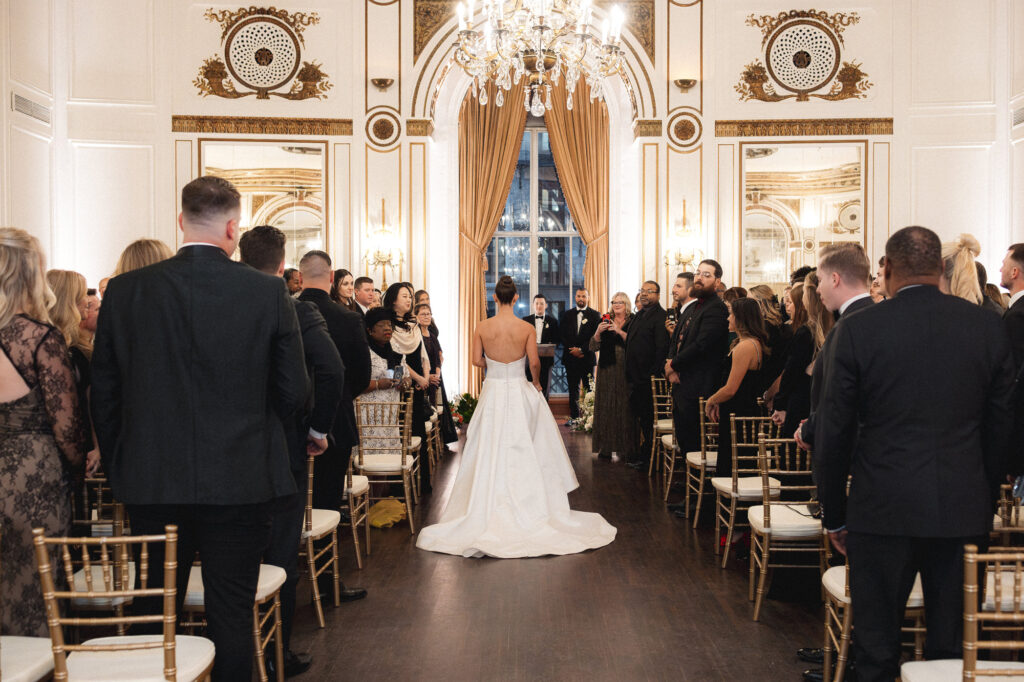
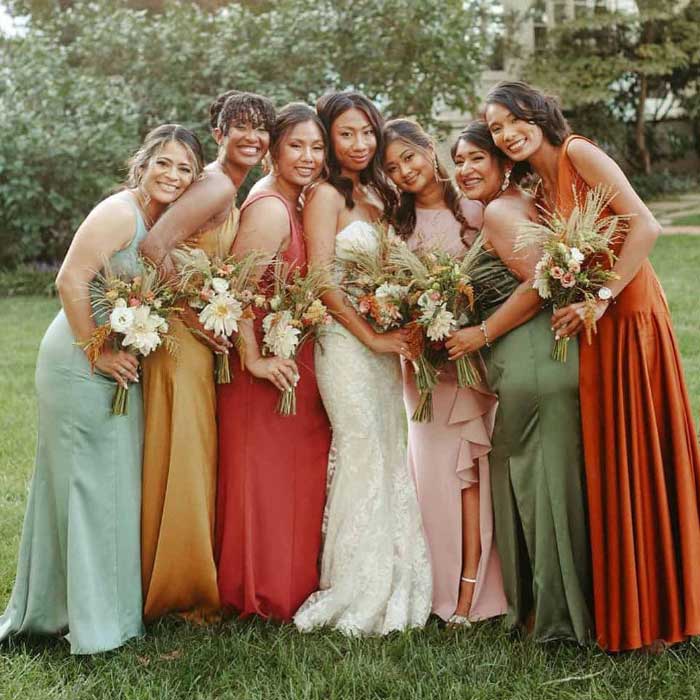
Photo by Rosy And Shaun Wedding Photography
When to Go Unplugged (and When Not To)
Most couples choose to keep their ceremony unplugged while allowing phones during the reception. This strikes a balance between privacy and fun, letting guests capture candid moments later in the day.
That said, an unplugged reception can also work well for smaller, more intimate weddings or destination celebrations where the focus is on conversation and connection. On the flip side, if many loved ones cannot attend in person, you may want to allow limited phone use or designate someone to livestream the ceremony.
There’s no single “right” approach—what matters is choosing what aligns with your values and guest experience.
How to Ask Guests for an Unplugged Ceremony (Politely)
The key to a successful unplugged wedding is clear and kind communication. Guests are far more likely to respect your wishes if they understand the reason behind them.
You can start by mentioning your unplugged ceremony on your wedding website. A short explanation about wanting guests to be fully present usually goes a long way.
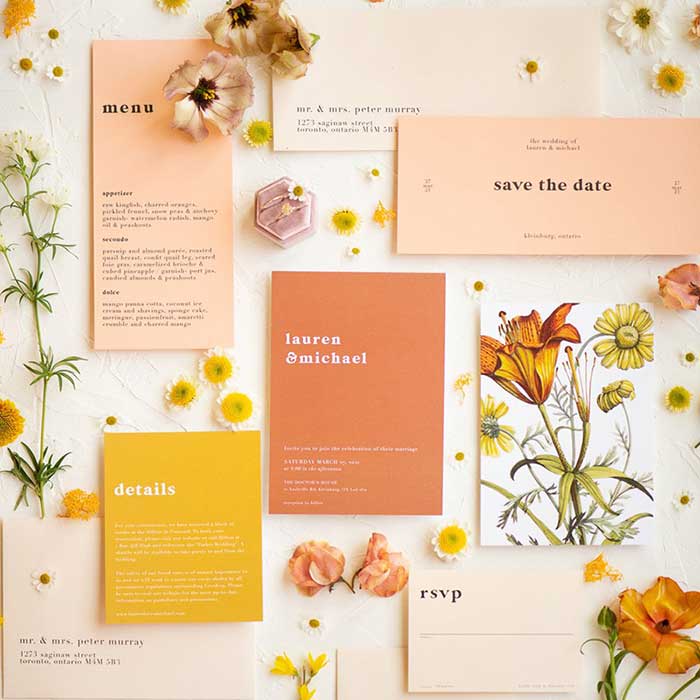
Including a small note on your invitations or ceremony programs can also be helpful, especially for older guests who may not visit your website regularly. Many couples choose wording that emphasizes gratitude rather than restriction.
On the wedding day itself, signage at the ceremony entrance is one of the most effective reminders. A tasteful sign gently asking guests to silence and put away devices sets expectations before the ceremony begins.
Some couples also ask their officiant to make a brief announcement before the processional. This final reminder ensures everyone is on the same page without calling anyone out individually.
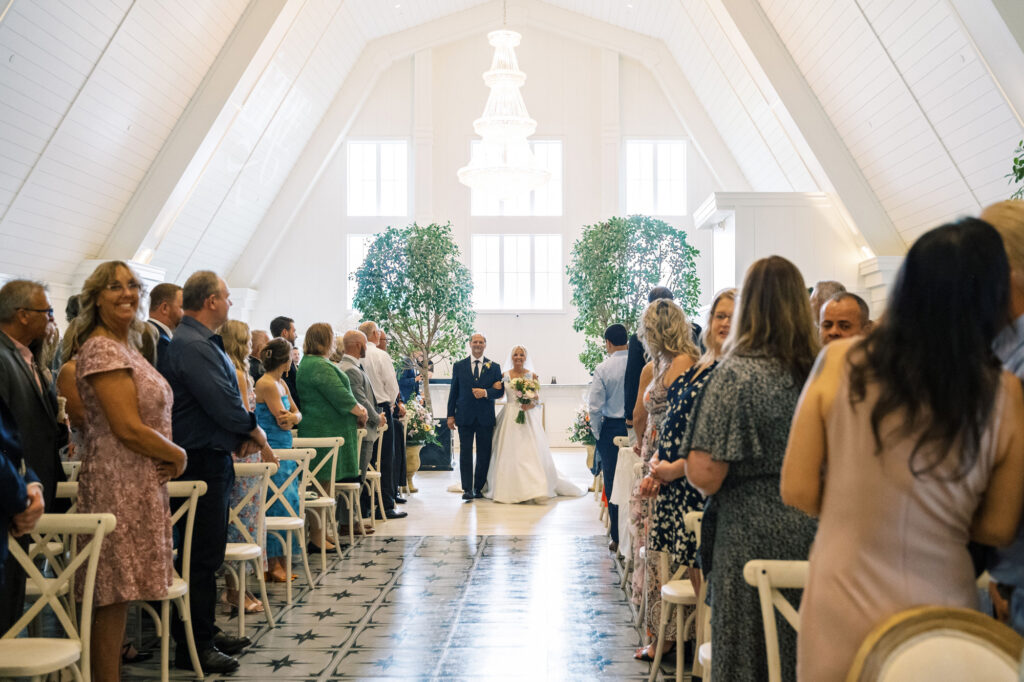
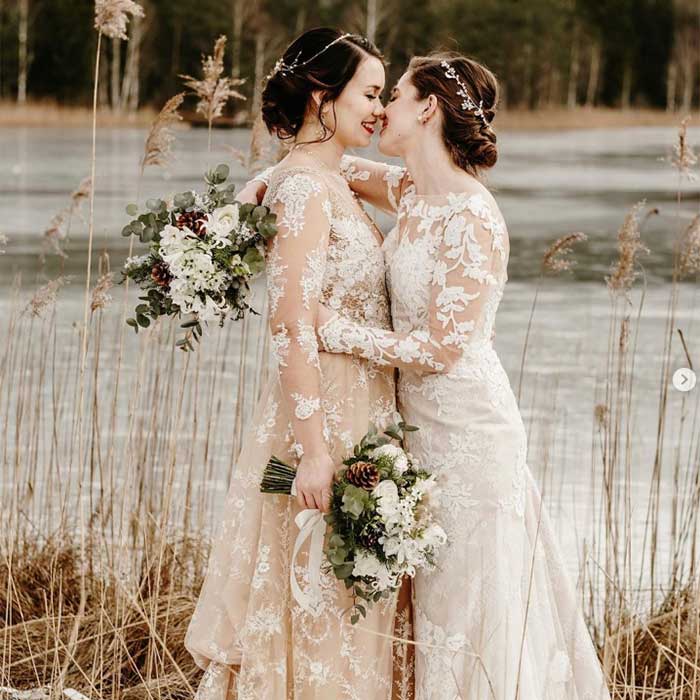
Photo by Samantha Leigh Studios
Sample Unplugged Wedding Wording
If you’re not sure how to phrase it, here are a few guest-friendly options that work well for Nearlywed-style celebrations:
-
“We invite you to be fully present with us during our ceremony. Kindly turn off and put away all devices.”
-
“Our ceremony will be unplugged. Please enjoy the moment with us and leave the photos to our photographer.”
-
“We ask that you kindly refrain from taking photos during the ceremony so you can be present in this special moment.”
Simple, warm, and appreciative language is always best.
What About Guests Who Don’t Listen?
It happens, even with the best planning. If one or two guests still pull out their phones, try not to let it steal your joy. Your photographer can usually work around it, and most guests follow the rules once they see others doing the same.
If this is a major concern for you, consider assigning a coordinator, usher, or trusted friend to gently remind guests before the ceremony begins.
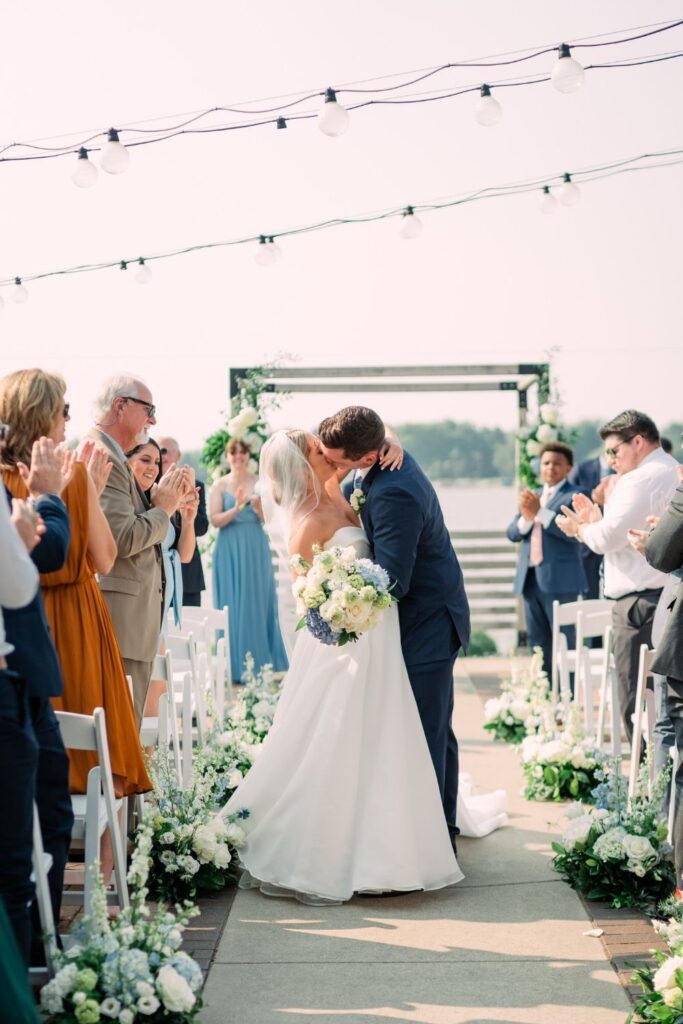
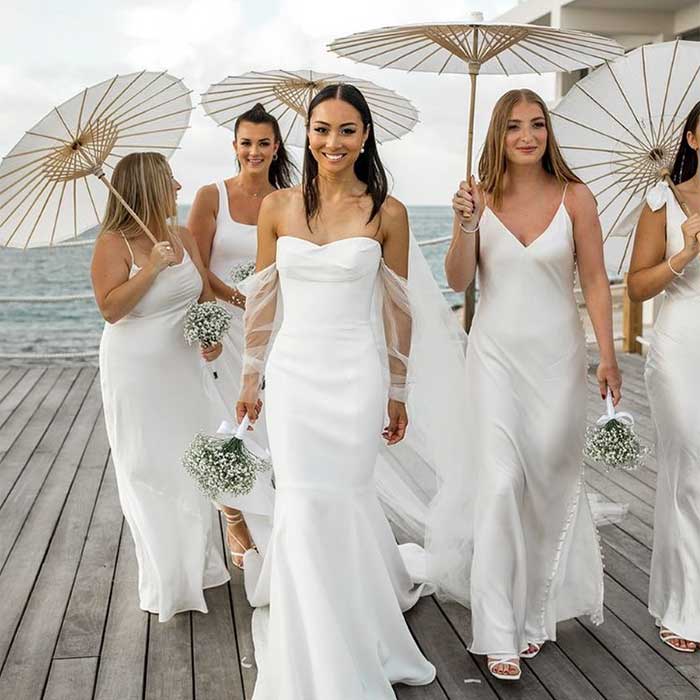
Photo by Mishelle Lamarand Photography
Sharing Photos After an Unplugged Wedding
One common guest concern is, “But how will we get photos?” You can ease this by letting guests know you’ll be sharing professional images after the wedding. Some couples even send a follow-up email or post on their wedding website once photos are ready.
This not only reassures guests but also ensures the images shared online reflect your wedding at its very best.
Pros and Cons of Unplugged Weddings
Like any wedding decision, unplugged ceremonies come with both benefits and considerations.
The biggest advantages include cleaner professional photos, more emotional presence, fewer distractions, and greater privacy. On the other hand, some guests may initially feel disappointed they can’t take their own photos, especially close family members.
Clear communication and thoughtful wording typically minimize any frustration, and most guests later appreciate the experience more than they expected.

Photo by Jeffery Lewis Bennett
Is an Unplugged Wedding Right for You?
An unplugged wedding isn’t about rules—it’s about intention. If you value connection, mindfulness, and being fully present on your wedding day, this approach may feel like a natural fit.
Ultimately, your wedding should reflect who you are as a couple. Whether you choose to go fully unplugged or simply limit phones during the ceremony, what matters most is creating a day that feels meaningful, comfortable, and true to you.
If you’re exploring ceremony planning decisions next, Nearlywed also recommends thinking through your wedding timeline, ceremony music choices, and photography priorities to ensure your day flows exactly the way you envision it.
you might also like
Check Out The Latest on Instagram
Check Out The Latest on Instagram
Follow us on Facebook and Instagram for more tips, resources, and inspiration!